
Tummy Tuck
Abdominal tightness, incision care, mobility progression, and compression may be part of recovery depending on the surgical plan.
Explore Tummy Tuck
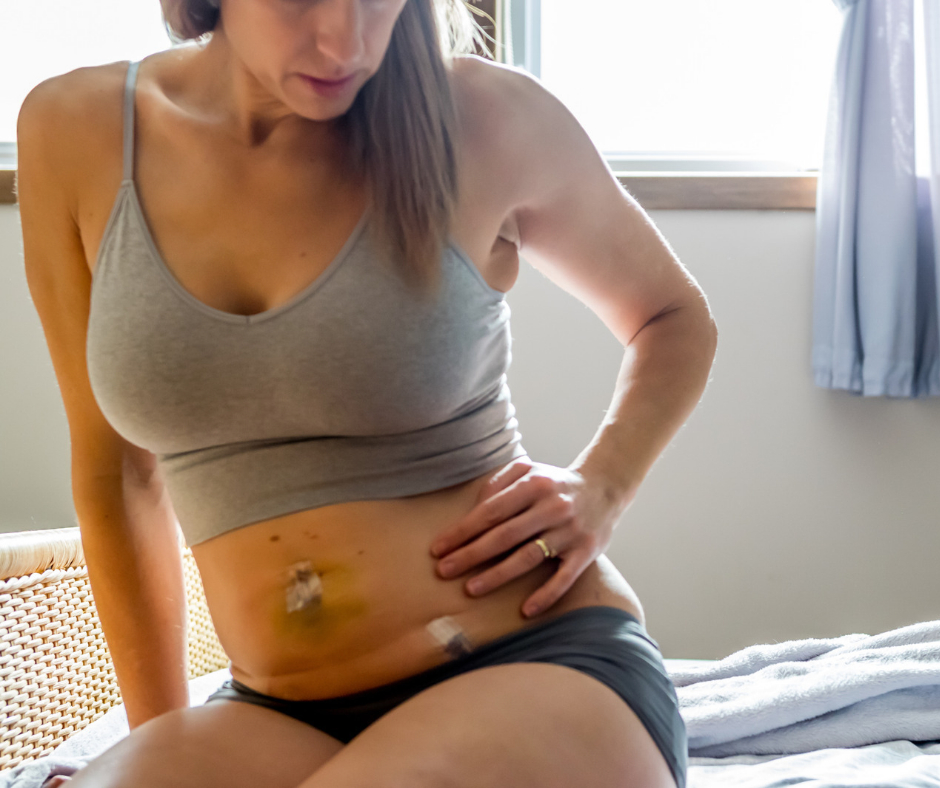

Recovery after plastic surgery in Tijuana is different for every patient. The procedure performed, whether more than one area is treated, your overall health, previous surgeries, and your surgeon’s recommendations all influence what the first days and weeks may look like.
At Tijuana Bariatric Center, recovery planning begins before surgery. Patients receive guidance about what to expect after their procedure, how long they may need to remain in Tijuana, what assistance may be helpful, and what should be confirmed before returning home.
Your surgeon’s individual instructions should always take priority over general recovery information.
Most plastic surgery recovery plans include an early period of rest and monitoring, gradual movement, pain and symptom management, incision care, and follow-up before the patient resumes normal activities or travels home.
The exact timeline varies considerably. A facial procedure, breast surgery, tummy tuck, or post-bariatric body-contouring procedure can involve very different recovery needs, which is why TBC approaches recovery as part of the individual surgical plan.
The first one to two days are focused on safe early recovery. What happens during this period depends on the procedure and surgical plan.
The medical team may monitor vital signs, comfort, hydration, mobility, and the surgical area while determining when you are ready for the next stage of recovery.
Patients are commonly encouraged to begin gentle movement when the surgical team considers it appropriate. The amount and type of activity should follow the surgeon’s instructions.
Swelling, bruising, tightness, fatigue, or discomfort can vary by procedure. Patients should know how to contact the surgical team if something feels different from what was discussed.

International patients usually need time to recover in Tijuana before beginning the trip home. The recommended stay depends on the procedure, whether multiple areas were treated, the patient’s mobility, follow-up needs, and the surgeon’s assessment.
After discharge from the surgical facility, some patients may continue recovering in a hotel or other arranged accommodation as part of their travel plan. During this period, the priorities are rest, gradual movement, medication and wound-care instructions, scheduled follow-up, and avoiding activities the surgeon has restricted.
Some patients may also benefit from traveling with a companion, particularly when a procedure temporarily limits mobility or makes everyday activities more difficult.
Recovery should not be described with one universal timeline. Different procedures involve different areas of the body and may create different mobility, swelling, garment, incision-care, and travel considerations.
Abdominal tightness, incision care, mobility progression, and compression may be part of recovery depending on the surgical plan.
Explore Tummy TuckRecovery depends on which procedures are combined and may involve more than one area of the body.
Explore Mommy MakeoverPatients may have broader areas of treatment and may require a staged plan rather than one single recovery period.
Explore Body ContouringRecovery may involve incision care and movement considerations across the upper torso.
Explore Upper Body LiftMovement and compression recommendations may be especially important because the treated areas are involved in daily mobility.
Upper-body movement, support garments, incision care, and return to routine activity depend on the procedure performed.
Swelling, bruising, facial comfort, sleeping position, and follow-up are different from body-contouring recovery.
Explore Deep Plane Facelift
Some plastic surgery procedures may involve compression garments, surgical drains, dressings, or other post-operative care. These are not identical for every surgery or every patient.
If a garment is prescribed, the surgical team should explain when and how it should be used. If drains are part of the surgical plan, patients should receive clear instructions about care, monitoring, and when the surgeon expects to reassess or remove them.
Patients should avoid relying on generic online timelines for these details because the surgeon’s instructions are based on the procedure actually performed and the patient’s recovery.
Recovery usually involves a gradual return to movement rather than complete inactivity. Short, appropriate movement may begin early when the surgical team approves it, while lifting, strenuous exercise, and other activities may remain restricted for longer.
Patients should receive specific guidance about walking, driving, work, exercise, lifting, and other everyday activities before resuming them.
There is no single travel-home timeline that applies to every plastic surgery patient. The appropriate time to leave Tijuana depends on the operation performed, the patient’s recovery, mobility, follow-up needs, travel distance, and the surgeon’s assessment.
Patients should not purchase nonrefundable transportation until their surgical date, expected stay, follow-up plan, and travel requirements have been confirmed.
The surgical team should also clarify whether a companion or other assistance is recommended for the trip home.
Recovery continues after the patient leaves Tijuana. Before traveling home, patients should understand how follow-up will be handled, which restrictions remain in place, how to care for the surgical area, and how to contact the team with questions.
Follow-up needs vary by procedure. Patients may be asked to provide updates, photographs, or other information so the surgical team can monitor progress and determine whether additional evaluation is needed.
Recommendations about returning to work, exercise, lifting, driving, and other daily activities should come from the surgeon rather than from a general online recovery calendar.
Patients should receive procedure-specific instructions explaining which symptoms are expected and which require medical attention. Contact the surgical team promptly if you develop symptoms that are significantly different from what you were told to expect or if you are concerned about your recovery.
Examples that may require prompt medical evaluation can include increasing redness or swelling, unexpected drainage or bleeding, fever, worsening pain, new shortness of breath, chest pain, sudden leg swelling, or another sudden change in your condition.
Severe or rapidly worsening symptoms may require urgent or emergency medical care. This general list does not replace the discharge instructions provided for your individual surgery.
Patients who pursue plastic surgery after bariatric surgery or major weight loss can have additional recovery considerations. Their surgical plan may involve more than one area, previous abdominal or bariatric surgery, nutritional factors, and decisions about whether procedures should be combined or performed in stages.
For this reason, post-bariatric body contouring should be planned around the patient’s current anatomy, medical history, weight stability, nutritional status, and recovery capacity—not simply the amount of excess skin present.
TBC’s existing bariatric experience also allows this part of the patient journey to connect naturally with the next stage: evaluating whether post-weight-loss body contouring may be appropriate.
There is no single recovery timeline for all plastic surgery procedures. Recovery depends on the operation, whether procedures are combined, the patient’s health, and how healing progresses. Your surgeon should provide an individualized timeline.
Most traveling patients should expect to remain in the area for an appropriate recovery and follow-up period. The exact length of stay should be confirmed as part of the surgical plan before travel is booked.
Not every patient has the same needs. A companion may be especially helpful when mobility is temporarily limited, when more than one area is treated, or when the surgeon recommends additional assistance.
Some procedures use compression garments, while others do not. If one is recommended, the surgical team should explain the type of garment, how it should be worn, and how long it may be needed.
Flying should be discussed with the surgical team because the appropriate timing depends on the procedure, recovery progress, travel distance, mobility, and individual risk factors. Patients should receive travel clearance based on their own case.
The timing depends on the type of work, procedure performed, healing progress, and the activity involved. The surgeon should provide specific guidance about work, lifting, exercise, driving, and other activities.
Before leaving Tijuana, patients should know how follow-up will be handled and how to contact the TBC or surgical team if they have concerns during recovery.
Planning for recovery is part of choosing the right plastic surgery procedure—not something that begins after surgery.
If you are considering plastic surgery in Tijuana, tell our team what you would like to address. We can help organize the information needed for a personalized surgical review and explain what recovery planning may involve for your case.