Before & Afters Bariatric Surgery
View Gallery

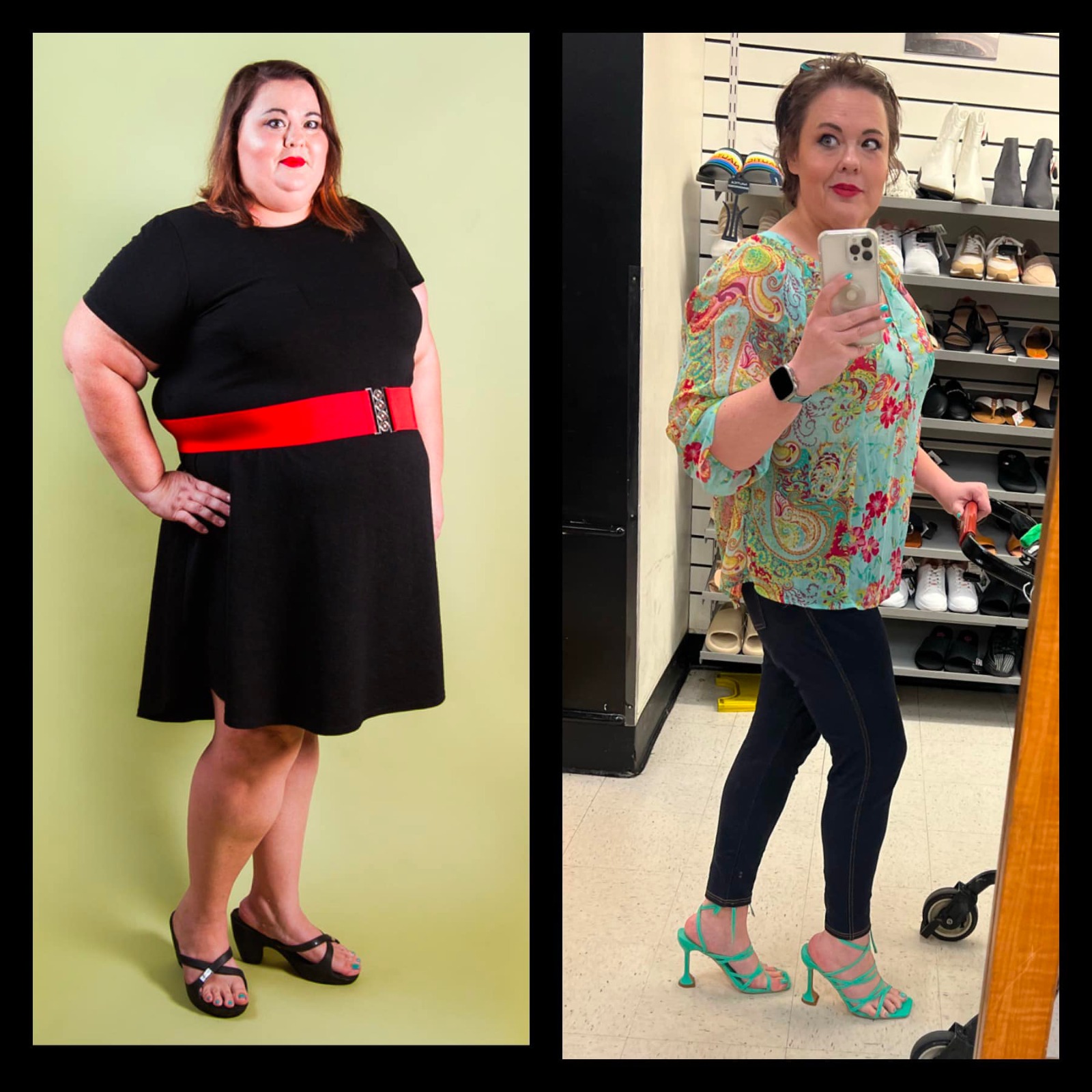
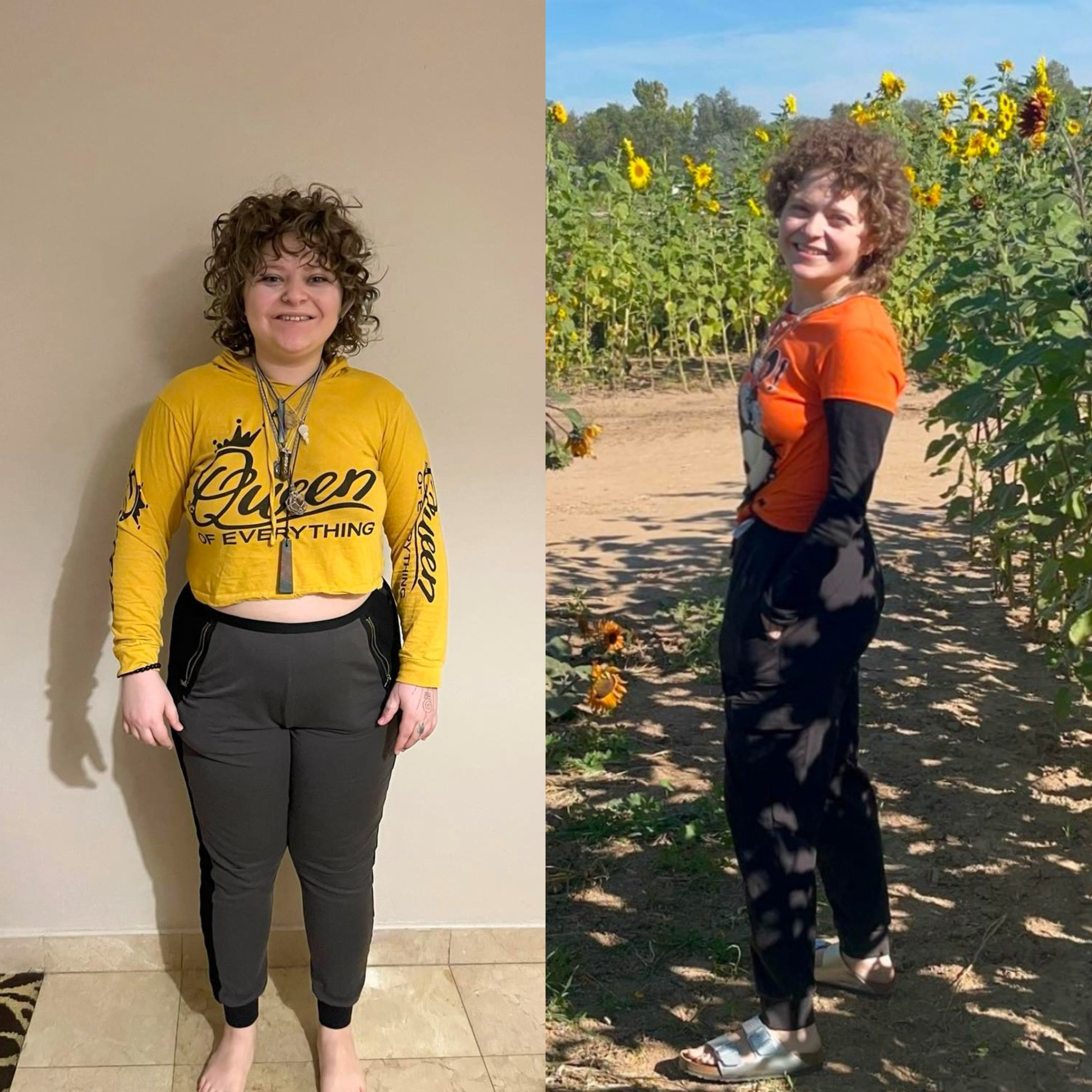
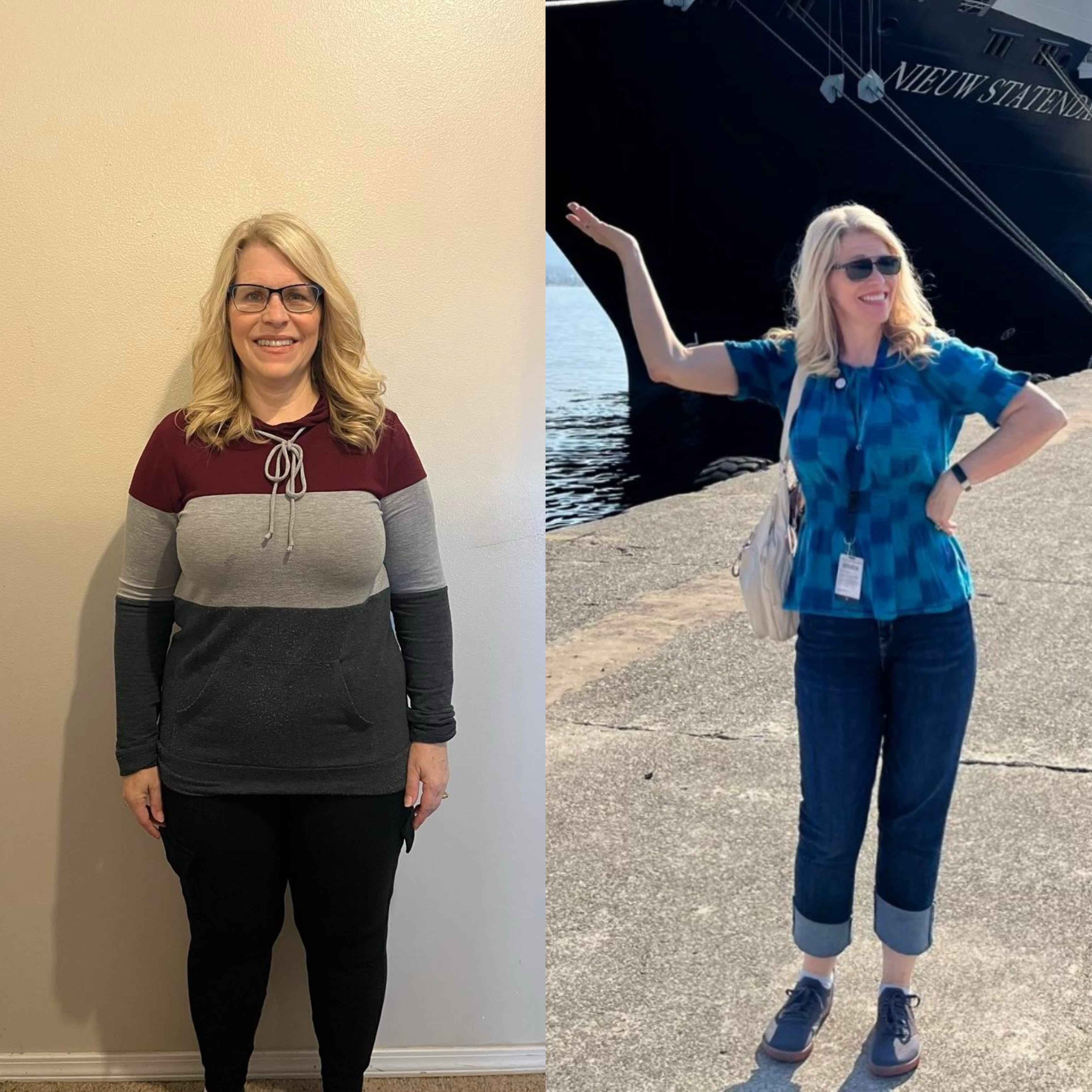


Being overweight can diminish your overall health and increase your risk of issues like obstructive sleep apnea, diabetes, high blood pressure, and other chronic diseases. Not only can obesity lower your quality of life and self-image, but it can also prohibit many physical activities, daily chores, and sports, making life more difficult and exhausting.
Gastric bypass surgery in Tijuana, Mexico, can help motivated patients lose weight by restricting food intake and limiting the absorption of calories. It is one of the most common and successful solutions for obesity.



Traditional gastric bypass is so effective because it combines restrictive and malabsorptive techniques. To restrict the amount of food you can consume during a single sitting, your bariatric surgeon will staple the stomach into two sections: a small upper pouch and a large lower portion. The small stomach pouch can only hold about one cup or four ounces of food instead of its previous three pints. This reduction restricts your food intake, so you can satisfy your hunger with much less food.
The surgery further encourages weight loss by rerouting the digestive tract so that the smaller upper pouch connects directly to a lower portion of the small intestine. This malabsorptive technique allows food to bypass most of the small intestine, which speeds up digestion and limits the amount of calories absorbed during a meal. As a result, patients typically experience substantial weight loss after gastric bypass surgery.



Dr. Garcia has over a decade of expertise in gastric bypass techniques and has performed over 10,000 successful bariatric procedures, delivering transformative, life-changing results for his patients. As someone who has experienced his own weight-loss journey, he understands firsthand how stressful and burdensome obesity can be. He is passionate about addressing all aspects of patient care, from nutritional education to his creation of online support groups that help patients keep the weight off long-term. Patients trust Dr. Garcia for his intrepid skills, genuine compassion, and unwavering commitment to safety.
Dr. Fernando García holds a Licensed Physician Degree from Universidad Michoacana de San Nicolás de Hidalgo. Prior to its completion, he pursued an elite residency in General Surgery at Hospital General (General Hospital), endorsed by Universidad Autónoma de Baja California (UABC). He currently serves as a professor of Advanced Laparoscopic Surgery at Universidad Autonoma de Baja California and has been on staff at Instituto Mexicano del Seguro Social for over 10 years.

This quiz is designed to help you understand which bariatric procedure may be worth discussing with a TBC coordinator or bariatric surgeon. It looks at your goals, BMI range, health history, previous surgery, reflux, metabolic concerns, and biggest questions.
What is gastric bypass surgery and how does it work?
Who may qualify for gastric bypass surgery?
What is the difference between gastric bypass and gastric sleeve?
How much weight can I lose after gastric bypass?
How long does gastric bypass recovery take?
Will I need vitamins after gastric bypass surgery?
What is dumping syndrome after gastric bypass?
Can I take NSAIDs after gastric bypass surgery?
Gastric bypass, also called Roux-en-Y gastric bypass, creates a small stomach pouch and connects it to a lower section of the small intestine. This reduces the amount of food a patient can eat and changes part of the digestive pathway to support weight loss and metabolic improvement.
Qualification depends on BMI, obesity-related conditions, previous weight loss treatment, reflux, type 2 diabetes, medical history, surgical risk, and the ability to follow long-term nutrition and medical recommendations. A bariatric team must review each patient individually.
Gastric sleeve reduces stomach size without rerouting the intestines. Gastric bypass creates a small stomach pouch and reroutes part of the small intestine. Gastric bypass is more complex and may require closer nutritional monitoring.
Compare gastric sleeve vs gastric bypass and review the factors that may influence the choice between procedures.
Gastric bypass can support substantial weight loss, but results vary. Starting BMI, medical history, nutrition, physical activity, follow-up care, and long-term commitment to bariatric habits all influence the final outcome.
Recovery varies according to the patient’s health, surgical complexity, work demands, travel, and medical instructions. Walking usually begins early, while driving, work, exercise, and heavy lifting should be resumed gradually after medical clearance.
Yes. Gastric bypass patients generally need lifelong vitamin and mineral supplementation and periodic laboratory testing. The exact supplements and doses should be determined by the bariatric team based on the procedure, medical history, diet, and laboratory results.
Dumping syndrome occurs when food moves too quickly through the digestive system. It may cause nausea, abdominal discomfort, weakness, sweating, diarrhea, dizziness, or a rapid heartbeat, particularly after consuming foods or drinks high in sugar.
NSAIDs such as ibuprofen, naproxen, and aspirin may increase the risk of ulcers after gastric bypass. Patients should discuss pain medications and over-the-counter products with their bariatric or primary care team before using them.