

World-class Weight Loss Surgery in Mexico
ES

Gastric Bypass Meal Plan and Pouch Reset After Bariatric Surgery

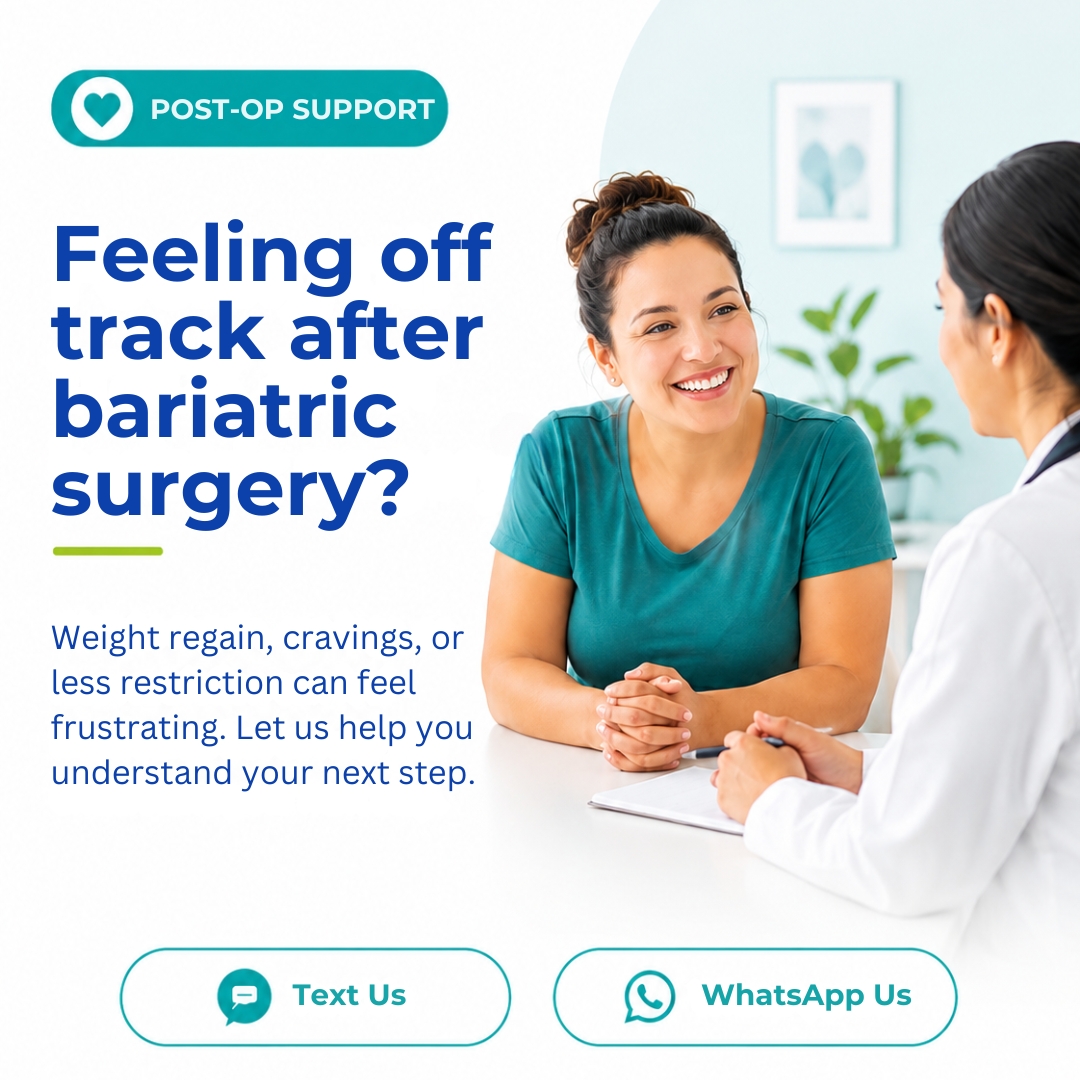
A gastric bypass meal plan is usually designed to help patients eat smaller portions, prioritize protein, stay hydrated, avoid high-sugar foods, and protect long-term weight loss after surgery. Some patients also look for a pouch reset after gastric bypass when they feel off track because of grazing, larger portions, cravings, or weight regain.

This page explains how a gastric bypass meal plan may look after surgery, how it differs from a short-term pouch reset, and why long-term success depends on protein-first meals, hydration, vitamins, portion control, and follow-up care.

For many patients, the value of a pouch reset meal plan is not that it changes anatomy, but that it creates structure. It may help patients refocus on protein, hydration, portion control, and more mindful eating after a period of feeling out of balance.

This page explains what a pouch reset meal plan is, why some patients try it, what common versions such as 48-hour, 5-day, and 10-day pouch reset plans may look like, and what they can realistically help with. It also explains the limits of a bariatric reset diet plan so patients can approach the topic with clearer expectations and more confidence.


Quick Answer: Gastric Bypass Meal Plan

A gastric bypass meal plan is a structured eating guide that helps patients recover after surgery and maintain long-term weight loss. It usually progresses from liquids to pureed foods, soft foods, and then small portions of protein-focused solid meals.

  • Early stages: clear liquids, full liquids, pureed foods, and soft foods.
  • Long-term focus: protein first, small portions, hydration, vitamins, and mindful eating.
  • Foods to limit: sugary drinks, alcohol, grazing, high-fat foods, and foods that trigger dumping symptoms.
  • Pouch reset use: a short-term reset may help some gastric bypass patients return to structure, but it does not permanently shrink the pouch.
  • Medical support: patients should reconnect with a bariatric team if they have weight regain, vomiting, reflux, pain, or trouble eating.

Not Sure Which Bariatric Procedure May Be Right for You?

If you are comparing bariatric options or trying to understand your next step, this short quiz can help you explore which procedure may fit your goals, health history, and weight loss needs.

Procedure Fit Quiz

Answer 10 simple questions and get an educational guide to discuss with TBC.

This quiz is designed to help you understand which bariatric procedure may be worth discussing with a TBC coordinator or bariatric surgeon. It looks at your goals, BMI range, health history, previous surgery, reflux, metabolic concerns, and biggest questions.

Important: This tool is for educational purposes only. It does not diagnose, prescribe, or replace a medical evaluation. Your final procedure recommendation must be reviewed with a qualified bariatric surgeon.
Question 1 of 10 0%
Start here

Loading question...

Your educational procedure fit guide

Your result

Why this may fit

    Options to discuss

      Ask your surgeon

        You do not have to figure this out alone

        A TBC coordinator can help you understand your procedure options, package details, pricing, travel logistics, and next steps.

        Call +1-800-970-0577

        Your quiz result is only the beginning

        The right procedure depends on your medical history, BMI, health goals, reflux symptoms, previous surgeries, and personal needs. A TBC coordinator can help you understand your next step and prepare the right questions for your surgeon.

        Talk to a TBC Coordinator

        What a Pouch Reset Can and Cannot Do

        A pouch reset may be helpful for some bariatric patients, but it is important to understand what it can and cannot do. Many weight loss surgery patients come across pouch reset plans while searching for answers about weight regain or concerns that their stomach pouch has stretched. In reality, a pouch reset is best viewed as a structured return to bariatric basics, not as a guaranteed anatomical fix.

        What a pouch reset can do is help simplify eating for a short period of time. It may help patients reduce grazing, refocus on protein, improve hydration, and return to more mindful meal routines. For some people, this structured approach can also help rebuild confidence and make it easier to get back on track after drifting away from post-op habits.

        What a pouch reset cannot do is guarantee permanent stomach shrinkage or replace a full medical evaluation when a patient is dealing with persistent weight regain, reflux, vomiting, or concern about surgical results. If symptoms or regain are significant, the most appropriate next step may be to speak with a bariatric provider rather than relying only on a short-term reset plan.

        Gastric Bypass Meal Plan: What to Expect

        Stage Common Foods Main Goal
        Clear liquids Water, broth, sugar-free gelatin, approved electrolyte drinks Hydration and gentle recovery
        Full liquids Protein shakes, strained soups, non-fat Greek yogurt, approved liquids Begin meeting protein needs
        Pureed foods Blended lean protein, cottage cheese, scrambled eggs, soft blended foods Reintroduce texture slowly
        Soft foods Soft fish, ground chicken, soft vegetables, soups, mashed foods Build tolerance and portion control
        Long-term meals Lean protein, vegetables, small portions of approved carbohydrates Support long-term weight loss and nutrition

        A gastric bypass meal plan should always be adjusted to the patient’s surgery date, tolerance, medical history, and surgeon instructions.

        pouch reset meal plan after gastric sleeve or gastric bypass

        Can You Stretch Your Stomach After a Gastric Bypass?

        Weight loss surgery patients often want to know if you can stretch your stomach after gastric sleeve surgery. Medical experts are divided on whether this is an actual phenomenon, as the stomach is a muscular organ that expands and contracts. A regular-sized stomach can stretch to hold more than four liters of food and returns to normal when food exits into the rest of the digestive system. 

        Following surgery, your new stomach pouch continues its normal flow of expansion and contraction. Tissues within the stomach called rugae remain present in sufficient amounts to continue the process. When you overeat, even on a bariatric diet, the rugae stretch to accommodate the food you eat. When you overeat repeatedly, the sensation of fullness takes longer, and before you know it, you have lapsed back into unhealthy eating habits.

        How to Do a Pouch Reset

        A pouch reset usually follows a shorter version of the post-bariatric surgery diet. It often begins with liquids, then moves to pureed foods, soft foods, and finally small portions of solid meals.

        The goal is not to shrink your stomach long-term. The goal is to return to a structured bariatric reset diet plan and rebuild habits around protein, hydration, portion control, and slower eating.

        Whether you choose a pouch reset after gastric sleeve or a pouch reset after gastric bypass, speak with your bariatric team first, especially if you have pain, vomiting, reflux, trouble swallowing, rapid weight regain, or signs of nutritional deficiency.

        How to Do a Pouch Reset

        Essentially, a pouch reset mimics the post-bariatric surgery diet given to you by your surgeon and dietician. Contrary to popular opinion, a pouch diet will not "shrink" your stomach long-term. The point of the pouch reset diet is to restrict the types and amount of foods you eat to return to the mindset of healthy eating. 

        Although similar to your original post-op eating plan, each phase is shorter, as your stomach doesn't require healing. A pouch reset, usually done over 5 to 10 days, aims to recharge your body and mind and put the focus back on successful weight loss. Whether you choose a VSG pouch reset or a gastric bypass reset, the plan will begin with a liquid diet, followed by a pureed diet, and then back to solid foods.

        Does a Pouch Reset Work?

        A pouch reset may help some bariatric patients get back to a more structured way of eating. It can be useful when a patient has started grazing, eating larger portions, skipping protein, drinking too many calories, or losing track of post-op habits.

        However, a pouch reset is not a permanent fix. It does not permanently shrink the stomach pouch after gastric sleeve or gastric bypass. Long-term results depend more on daily habits, nutrition support, and follow-up care than on a short reset alone.

        I’ve had zero complications and healed nicely. In 5 months I've lost 85 lbs and feel better than ever right now! My foot pain is basically gone, my back issues have felt so much better, and I’m so ready to take on life! Thank you Dr. Garcia and staff!

        — April Rondinone

        Index page media
        bariatric doctor guidance for gastric sleeve reset diet
        Background media

        What Are the Goals of a Pouch Reset?

        The main goal of a pouch reset is to help bariatric patients return to a more structured way of eating. It is not a guaranteed way to shrink the stomach pouch or restart weight loss permanently.

        A pouch reset may help patients:

        • Refocus on protein-first meals
        • Reduce grazing and unplanned snacking
        • Return to smaller portions
        • Improve hydration habits
        • Rebuild confidence after feeling off track
        • Reconnect with post-op bariatric eating guidelines

        Whether you are considering a gastric sleeve reset diet or a gastric bypass reset diet, it is best to use the reset as a short-term tool and not as a substitute for medical follow-up.

        The Pouch Reset Meal Plan

        Most pouch reset meal programs are based on a rigorous 5-day or 10-day bariatric diet divided into three broad phases. Once again, you'll restrict yourself to liquid, pureed, and soft foods before finally transitioning back to solid food. The pouch created by your bariatric surgery won't necessarily shrink, but the pouch reset diet should leave you feeling fuller faster, just as your original bariatric diet did. Although you can figure out how to do a pouch reset on your own, you should do it under the guidance of a bariatric surgeon and dietician.

        10-day pouch reset bariatric meal plan

        The 48-Hour Pouch Reset

        A 48-hour pouch reset is a shorter version of a pouch reset diet. It usually focuses on liquids or protein-based meals for a short period before testing tolerance with small portions of soft protein.

        This type of plan may help some patients refocus quickly, but it is limited. For a more complete back-on-track approach, many patients look at a 5-day or 10-day pouch reset meal plan with guidance from a bariatric care team.

        The 5-Day Pouch Reset Test

        The five-day pouch reset test is the original system developed in 2007 by bariatric patient Kaye Bailey, who struggled with weight regain following her bariatric surgery. The pouch reset menu varies slightly based on whether you are doing a VSG pouch reset or a gastric bypass pouch reset. If you try the 5-day pouch reset, you can expect the following:

        • Day 1: Clear liquids like warm broth and sugar-free popsicles
        • Day 2: Full liquids only, including yogurt and protein shakes
        • Day 3: Pureed foods, including low-fat cottage cheese and scrambled eggs
        • Day 4: Soft foods, such as soft cereals, steamed fish, soups, and mashed fruits
        • Day 5: Healthy solid foods in small bariatric portions

        10-Day Pouch Reset Meal Plan

        A 10-day pouch reset meal plan is a longer version of the traditional pouch reset approach. It usually follows stages similar to an early post-op bariatric diet, moving from liquids to pureed foods, then soft foods, and finally small portions of bariatric-friendly solid meals. You can expect to consume the following:

        • Day 1: Clear liquids only, sugar-free Jell-O, decaf coffee or tea, and non-carbonated sugar-free drinks
        • Days 2 and 3: Full liquids such as non-fat Greek yogurt, protein shakes, soups, and diluted no-sugar-added juice
        • Days 4 to 6: Pureed foods such as hummus, soft cereals, scrambled eggs, and bariatric-friendly foods that can be blended
        • Days 7 to 9: Soft foods such as soups, mashed fruits and vegetables, soft fish, canned tuna or salmon, and ground chicken
        • Day 10 and beyond: Slowly introduce healthy solid foods in small portions, following bariatric eating guidelines
        bariatric care team for pouch reset after gastric sleeve
        Background media

        Top 5 Reasons to Choose Tijuana Bariatric Center

        1. Expert Care – Our team of board-certified surgeons has over 50 years of combined experience and has performed over 10,000 successful procedures, delivering top-tier care to our weight loss patients from all over the world.
        2. A Commitment to Safety – Our cutting-edge techniques help to minimize recovery time and the risk of complications. We adhere to the strictest international safety protocols and ensure every workspace is immaculate.
        3. A Holistic Approach – We believe that a successful weight loss journey must include emotional and social components in addition to the physical aspects. For this reason, we have created a comprehensive treatment modality that includes in-depth education, personalized dietary counseling, access to our online social media support groups, and extensive follow-up via email and phone.
        4. Affordable Excellence – Located in Tijuana, Mexico, our state-of-the-art weight loss center provides life-saving surgery at a fraction of the costs normally incurred in the United States and elsewhere. Our transparent pricing, convenient financing, and built-in medical tourism insurance allow patients to focus on their healing journey rather than on costs.
        5. At Atmosphere of Compassion – Dr. Garcia has experienced his own weight loss journey, as have many of our staff. We aim to create an environment that is comfortable, caring, and stress-free, where patients can relax and know they are not being judged in any way.

        Back-On-Track Gastric Bypass Eating

        Typically, a gastric bypass meal plan focuses on protein first, hydration, small portions, and avoiding foods or drinks that may trigger dumping symptoms. If you are attempting a pouch reset after gastric bypass, you should return to the guidance you received from your bariatric surgeon and dietitian. This advice may include:

        • Drinking liquids at least 30 minutes before and after eating
        • Eating slowly and chewing well at each meal
        • Little or no caffeine
        • Drinking at least 64 ounces of water per day
        • No snacks
        • Consuming protein shakes with 15 grams or more of protein with less than 5 grams of sugar

        FAQs About Pouch Reset Diets

        What is a gastric bypass meal plan?

        A gastric bypass meal plan is a structured eating guide used after surgery to help patients recover, meet protein and hydration goals, avoid dumping symptoms, and maintain long-term weight loss. It usually progresses from liquids to pureed foods, soft foods, and then small portions of solid meals.

        What should I eat after gastric bypass surgery?

        After gastric bypass surgery, patients usually begin with liquids and gradually move to pureed foods, soft foods, and small protein-focused meals. Long-term meals usually include lean protein first, vegetables, fluids between meals, and vitamin supplementation as recommended by the bariatric team.

        What is a pouch reset?

        A pouch reset is a short-term bariatric eating plan that helps some patients return to smaller portions and structured meals after weight loss surgery. It usually moves from liquids to pureed foods, soft foods, and small portions of solid meals.

        What is a pouch reset after gastric sleeve?

        A pouch reset after gastric sleeve is a short-term eating plan that may help patients refocus on protein, hydration, portion control, and smaller meals. It does not permanently shrink the stomach, but it may help rebuild post-op habits.

        What is a pouch reset after gastric bypass?

        A pouch reset after gastric bypass is a structured plan that usually returns to liquids, pureed foods, soft foods, and small bariatric meals. Patients should also pay attention to vitamins, hydration, food tolerance, and dumping symptoms.

        What is a gastric sleeve reset diet?

        A gastric sleeve reset diet is a short-term eating plan focused on smaller portions, protein-first meals, hydration, and avoiding grazing or high-calorie foods. It should be used as a reset tool, not as a permanent solution.

        How much weight can you lose with a pouch reset?

        Weight loss varies. Some patients may notice a short-term change on the scale because of lower calories, reduced carbohydrates, less bloating, or water weight changes. A pouch reset should not be treated as a guaranteed weight loss plan.

        What does a bariatric reset diet plan include?

        A bariatric reset diet plan usually includes clear liquids, full liquids, pureed foods, soft foods, and then small portions of bariatric-friendly solid meals. The goal is to return to structure and rebuild healthy eating habits.

        Does a pouch reset shrink your stomach pouch?

        There is no strong scientific evidence that a pouch reset permanently shrinks the stomach pouch. It is better understood as a behavioral reset that may help patients return to healthier habits and portion awareness.

        How long does a pouch reset last?

        Common versions include 48-hour, 5-day, and 10-day pouch reset plans. The right approach may vary depending on the patient’s surgery type, symptoms, goals, and medical history.

        Is a pouch reset a replacement for medical follow-up?

        No. If a bariatric patient has significant weight regain, ongoing reflux, vomiting, pain, trouble swallowing, or concern about surgical results, they should reconnect with a bariatric provider for proper evaluation.

        We hope that you have found the above information on the pouch reset and diet and meal plan useful.

        If you want to know more about the pouch reset, call us today at 1 800 970 0577 or use our contact form so that you can enjoy a free virtual consultation.

        Contact us media
        Hi there, have a question? Text us here.