

World-class Weight Loss Surgery in Mexico
ES

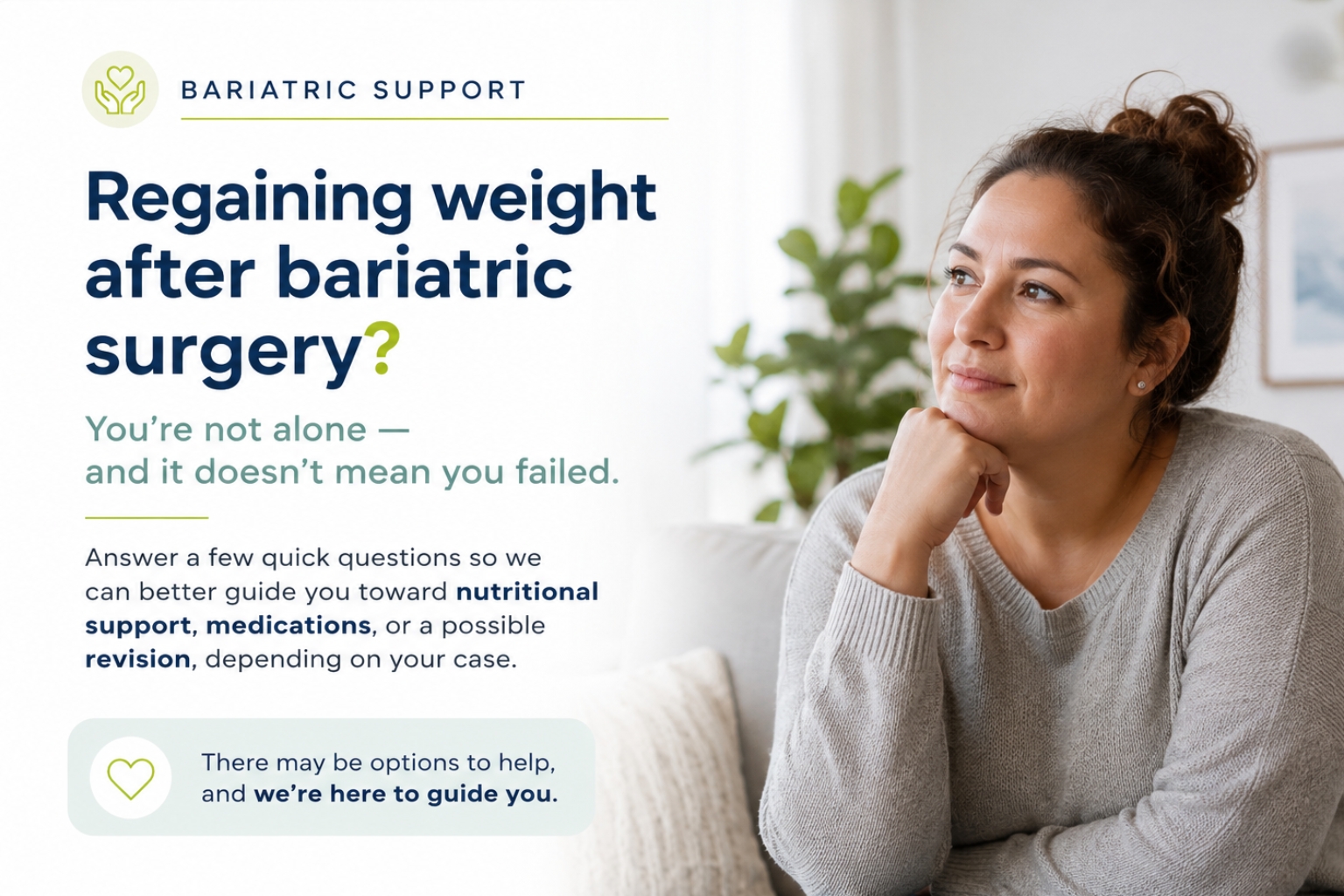
Putting on Weight After Gastric Sleeve or Bariatric Surgery?

Putting on weight after gastric sleeve can feel discouraging, especially if you worked hard to lose weight after surgery. Weight regain after bariatric surgery is more common than many patients realize, and it does not always mean that the procedure failed.

Some patients regain weight because of grazing, larger portions, liquid calories, emotional eating, reduced activity, or changes in routine. In other cases, weight regain may be related to reflux, pouch stretching, medication changes, hormonal factors, or a need for additional medical evaluation.

At Tijuana Bariatric Center, our team can help patients understand what may be causing weight gain after gastric sleeve, gastric bypass, or another bariatric procedure. Whether you need nutrition support, lifestyle guidance, or want to learn more about revision surgery, our goal is to help you get back on track with clear, supportive guidance.

Quick Answer: Why Am I Putting on Weight After Gastric Sleeve?

Putting on weight after gastric sleeve can happen for several reasons, including larger portions, grazing, high-calorie drinks, low protein intake, emotional eating, reduced activity, or changes in medical needs. Some patients may also need a bariatric evaluation to rule out anatomical or surgical concerns.

  • Common habits: grazing, snacking often, drinking calories, or eating too quickly.
  • Common physical factors: reflux, food tolerance changes, medication changes, hormonal shifts, or fluid retention.
  • How long it may last: short-term post surgery weight gain from fluids or swelling may improve as the body recovers, but ongoing weight regain months or years later should be reviewed.
  • What helps: tracking meals, increasing protein, separating liquids from meals, and reconnecting with bariatric support.
  • When to seek help: if weight regain continues, feels hard to control, or comes with reflux, vomiting, pain, or trouble eating.

How Long Does Post Surgery Weight Gain Last?

Post surgery weight gain can mean different things depending on timing. In the first days or weeks after surgery, temporary weight changes may be related to fluids, swelling, constipation, limited movement, or the body adjusting during recovery.

Weight gain that appears months or years after bariatric surgery is different. It may be connected to grazing, larger portions, high-calorie drinks, emotional eating, reduced activity, reflux, medication changes, or anatomical concerns that need medical review.

If weight gain after surgery continues or you are putting on weight after gastric sleeve, it is important to reconnect with a bariatric care team instead of trying to handle it alone.

Why Am I Putting on Weight After Gastric Sleeve?

After gastric sleeve or another bariatric procedure, many patients lose a significant amount of weight during the first months. However, some patients later notice a plateau or begin putting on weight again months or years after surgery.

Common Causes

Several factors can lead to weight gain after gastric sleeve or bariatric surgery. Sometimes the cause is related to eating habits, such as grazing, larger portions, high-calorie drinks, or eating too often throughout the day. Other times, weight regain may be connected to lower activity, stress, emotional eating, medication changes, or medical concerns that need to be reviewed.

If you are putting on weight after gastric sleeve, the first step is to identify what changed before assuming the surgery failed.

Factors That Affect How Much Weight You Gain

The amount of weight gain a patient will experience depends mainly on the type of bariatric surgery performed. With purely restrictive surgeries, such as Lap-Band® or gastric sleeve surgery, which reduce intake by reducing stomach capacity, patients may regain as much as 8% to 10% of their original weight. In addition to restricting the size of the stomach, malabsorptive surgeries like gastric bypass or duodenal switch surgery change how your system digests the foods you eat. As a result, patients undergoing these types of procedures often regain less excess weight.

Banner media
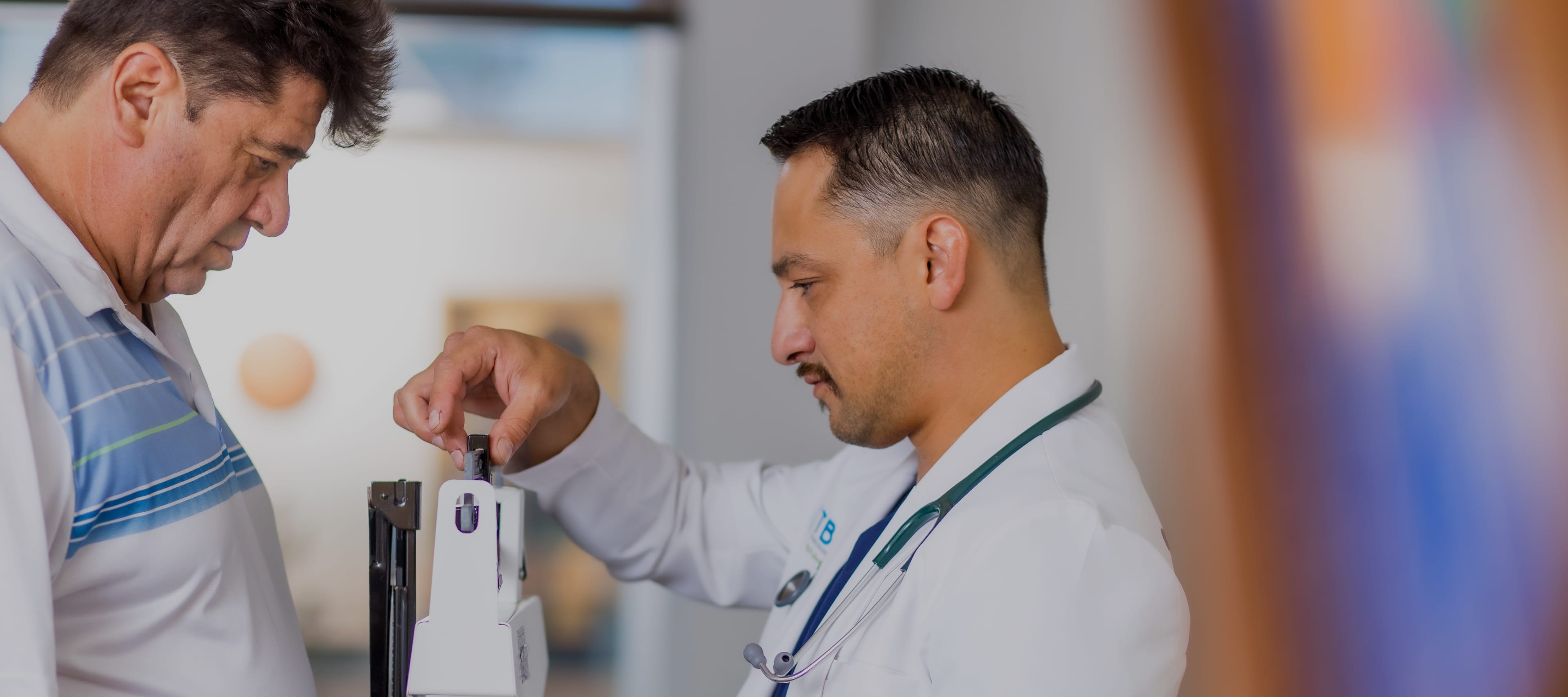
patient concerned about weight gain after surgery

Preventing Weight Gain

Patients can take several measures to limit weight regain even before surgery. One of the most important steps you can take is to change your diet and exercise habits. By starting a restricted diet early, you can ease the stress of change on your body and begin to lose weight before undergoing weight loss surgery. Research shows that the lower a patient’s BMI (body mass index) when they undergo surgery, the less weight they will need to lose and keep off afterward.

If you struggle with addiction or an eating disorder, it is vital that you pursue treatment before bariatric surgery.

Eating disorders, alcoholism, and drug addiction can also complicate your results. All three conditions can interfere with your metabolism, affecting your weight loss and overall health. If you struggle with addiction, it is vital that you pursue treatment before bariatric surgery. Many people fall back into old habits to cope with stress after bariatric surgery, and recovery is stressful enough without other complications.

Index page media

Getting Back on Track

It is important to understand that even these precautions cannot always prevent weight regain.

Non-Surgical Methods

If you have noticed weight gain despite your best efforts, several methods can help you get back on track:

  • Food journal: Keeping a written record of how much you eat each day can give you a more concrete sense of your diet. It also makes it much easier to identify potential problems.
  • Nutritional counseling: While the nutritionist working alongside the Tijuana Bariatric Center will follow up with you in the weeks after your surgery, many patients find it helpful to meet with a nutritional counselor on a more regular basis. Like a food journal, routine discussions with a professional can help solidify your diet and highlight problem areas.
  • Support group: Joining a weight loss surgery support group can provide invaluable resources. Working with this type of group, patients can receive advice from others who are sharing the same experiences. As former patients themselves, members of these groups can often offer a perspective that professionals alone may not be able to provide.

Revisional Surgery

Unfortunately, the root of the problem cannot always be dealt with through nonsurgical means. In some cases, revisional bariatric surgery may be necessary.

However, these routes are only recommended as a last resort. For example, your surgeon may perform another procedure if a LAP-BAND® has slipped or if the stomach has stretched out after a gastric sleeve procedure.

Find Your Surgery -- Take Our Weight Loss Quiz Now

Help with Overeating after Surgery

The goal of weight loss surgery is to help those suffering from obesity reduce the amount of food they eat to steadily lose weight and achieve a healthier life. Although procedures such as gastric bypass and gastric sleeve surgery significantly lose the amount of food patients can eat by creating a smaller stomach, it is still possible to eat too much food once the digestive system has healed from the procedures. The doctors and nutritional counselors working through the Tijuana Bariatric Center can help frustrated patients undo the effects of overeating after bariatric surgery at a Tijuana, Mexico, hospital. In addition to getting you back on track, we can help patients learn healthy habits and lay the foundations for a fitter lifestyle.

Banner media

Why Do I Keep Overeating?

Eating more food than necessary is frustratingly easy. Many factors can contribute to the problem, but two are particularly common: poor adjustment and long-established overeating behaviors.

While it might seem counterintuitive, snacking can be an effective way to curb overeating.

Adjusting to the bariatric diet can be difficult for several reasons, ranging from frustration over restrictions on what you can eat to simply misjudging whether or not you are full. Further complicating this problem is a tendency to overeat. Many bariatric patients struggle with limiting their portions, and this habit often contributes to any existing weight issues.  In addition to following tips and guidelines, many patients join support groups or online forums to help with binge eating and learning how to eat small portions.

The Complications of Overeating

Bariatric surgery dramatically changes the digestive system by creating a small stomach pouch and sometimes altering the small intestine so that the body absorbs fewer calories. Because of these alterations, overeating can result in substantial repercussions. The stomach is physically limited in its capacity, resulting in immediate physical consequences of overeating, including:

  • Nausea
  • Gastrointestinal discomfort
  • Vomiting
  • Diarrhea
  • Dizziness
  • Dumping syndrome

Severe discomfort from abdominal cramps is the body's most common response to overeating after weight loss surgery. This side effect can make recovering from surgery difficult. Not only will you not be able to eat as much, but you won't want to after you suffer severe abdominal pain.

Sometimes, after gastric sleeve surgery, the body will reject food outright, resulting in vomiting. However, it can also occur if you eat the wrong foods at the wrong times. Diarrhea can also occur after gastric bypass surgery due to malabsorption as your digestive system tries to process the food you eat.

Dumping syndrome involves severe abdominal pain, vomiting, and diarrhea. This condition, also known as rapid gastric emptying, is triggered by foods, particularly those high in sugar, that move too quickly from the stomach to the duodenum of the small intestine.

These physical side effects can both deter and motivate patients. While highly unpleasant, they give patients a concrete reason for sticking to their diet. However, if you overeat regularly, this discomfort will fade because of the stomach stretching to accommodate more food. Ultimately, sticking to the prescribed diet is up to the patient.

How to Avoid Overeating

Avoiding the tendency to overeat mainly relies on improving old eating habits. While revisional surgery may be necessary in rare cases, your nutritionist is more likely to recommend the following tips for limiting your caloric intake:

  • Snacking between meals: While it may seem counterintuitive, snacking can effectively curb overeating after gastric bypass. The urge to overeat is often strongest at large meals like breakfast, lunch, and dinner. But by snacking in between these meals, you can reduce your appetite – and if you are not as hungry, the urge to overeat lessens.
  • Eating small portions: By shrinking the size of your plate, the difference between your portions before and after surgery becomes less noticeable. Even when you theoretically know that the difference remains, it is easier to overlook without a constant visual reminder. Keep in mind that your smaller stomach can only hold about a half cup of food.
  • No fluids during or immediately after meals: One of the essential elements of post-bariatric recovery is staying hydrated. However, liquids occupy more space in the stomach, providing fewer nutrients than solid foods. When attempting to consume sufficient calories, many patients accidentally eat more food than necessary. Consequently, it is important to drink liquids throughout the day rather than during meals to remain adequately hydrated but not lose critical stomach capacity.
  • Moderation: Many patients default to one extreme or another: overindulging or extreme deprivation. However, neither is a good solution. Overeating has apparent consequences, but not allowing yourself a treat occasionally can make sticking to a diet more difficult – and make the temptation to overeat even more attractive.
  • No exceptions: While a small treat now and then is a good idea, expanding the size of your meal is not, even around the holidays. This can make returning to small portions that much more difficult. Try switching out another part of your meal for a favorite indulgent food rather than eating large portions.
  • Eating slowly: One of the most critical aspects of your new healthy diet is to chew your food thoroughly and eat slowly. This practice gives your stomach time to signal to the brain that you are full to avoid weight gain, side effects, and other more serious complications following weight loss surgery.
Banner media

Reach Out Today

The doctors and counselors coordinating with the Tijuana Bariatric Center are dedicated to ensuring the best possible results for every patient who undergoes gastric bypass, gastric sleeve, or one of our other bariatric procedures. Contact the network today at 1-800-970-0577 to take advantage of our post-surgical support and counseling.

FAQs About Putting on Weight After Gastric Sleeve

Why am I putting on weight after gastric sleeve?

Putting on weight after gastric sleeve can happen because of grazing, larger portions, high-calorie drinks, emotional eating, low protein intake, reduced activity, medication changes, reflux, or other medical factors. A bariatric review can help identify the cause.

How long does post surgery weight gain last?

Short-term post surgery weight gain may last a few days or weeks if it is related to fluids, swelling, constipation, or reduced movement during recovery. Weight gain that continues months or years after surgery may be related to eating habits, medical changes, reflux, or anatomical concerns and should be reviewed by a bariatric team.

Does weight gain mean my gastric sleeve failed?

No. Weight gain after gastric sleeve does not automatically mean the surgery failed. It may mean that eating habits, activity, medical changes, or follow-up support need to be reviewed.

What should I do if I regain weight after gastric sleeve?

Start by tracking meals, snacks, liquids, protein, and portion sizes. Then reconnect with a bariatric care team to review your symptoms, eating habits, medical history, and whether nutrition support or further evaluation is needed.

Can a pouch reset help after gastric sleeve weight gain?

A pouch reset may help some patients return to structure, smaller portions, protein-first meals, and hydration habits. However, it does not permanently shrink the stomach and should not replace medical follow-up.

When should I ask about revision surgery?

Revision surgery may be discussed if there are anatomical concerns, severe reflux, complications, or significant weight regain that has not improved with nutrition, lifestyle, and medical support. A personalized evaluation is needed.

Contact us media
Hi there, have a question? Text us here.