World-class Weight Loss Surgery in Mexico
ES

Quick Answer: What Is a Deep Plane Facelift?

A Deep Plane Facelift is a facial rejuvenation procedure that works beneath the superficial skin and within deeper facial tissue planes.

Instead of relying primarily on pulling or tightening the skin, the surgeon releases and repositions deeper tissues to address age-related changes in facial contour.

Depending on the patient's anatomy and surgical plan, treatment may involve areas such as:

  • Midface.
  • Cheeks.
  • Lower face.
  • Jowls.
  • Jawline.
  • Selected neck-related concerns.

At TBC, Dr. Jesús Vargas Rocha offers an endoscopic deep-plane approach for appropriately selected patients.

May be considered for: Patients with facial tissue descent, jowling, loss of jawline definition, midface changes, or other signs of facial aging that may benefit from surgical repositioning.

What it is not: A facelift does not stop the aging process and cannot guarantee a specific appearance or permanent result.

First step: A facial evaluation is needed to determine which areas are contributing to the patient's concerns and whether a deep plane, endoscopic, or another facial rejuvenation strategy may be appropriate.

Understanding the Deep Plane Facelift

Facial aging involves several layers.

The skin may become less elastic, but deeper tissues can also descend or change position with time.

A Deep Plane Facelift is designed to address these deeper structural changes.

Rather than separating and tightening large areas of skin alone, the surgeon works at a deeper anatomical level where facial soft tissues and supporting structures can be repositioned.

This distinction is important because facelift surgery is not simply about making the skin tighter.

A responsible surgical plan evaluates:

  • Facial anatomy.
  • Tissue position.
  • Skin quality.
  • Degree of facial aging.
  • Cheek position.
  • Jawline definition.
  • Jowling.
  • Neck anatomy when relevant.
  • Previous facial procedures.
  • The patient's individual goals.

The surgical technique should then be selected according to those findings.

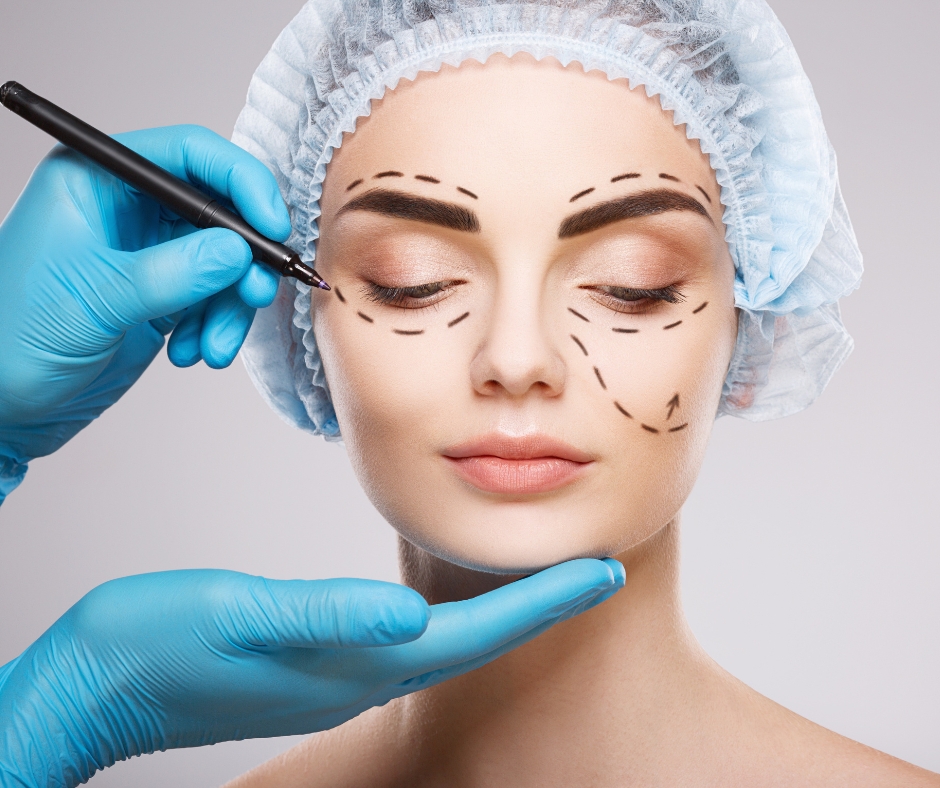
Endoscopic Deep Plane Facelift facial rejuvenation

What Is an Endoscopic Deep Plane Facelift?

An endoscopic approach uses a small camera and specialized surgical instruments to allow the surgeon to visualize deeper facial structures through strategically placed incisions.

In an Endoscopic Deep Plane Facelift, the surgeon combines endoscopic visualization with deep-plane tissue repositioning.

The specific technique can vary according to:

  • Facial anatomy.
  • Degree and location of tissue descent.
  • Areas being treated.
  • Patient age.
  • Previous surgery.
  • Skin characteristics.
  • Whether additional facial or neck treatment is needed.

The term “endoscopic” does not mean that the operation is nonsurgical or incision-free.

It remains facial surgery and requires appropriate medical evaluation, anesthesia, recovery, and postoperative follow-up.

The exact technique used for your procedure should be explained by Dr. Vargas Rocha as part of your personalized surgical plan.

What Can a Deep Plane Facelift Address?

A Deep Plane Facelift may be considered for age-related changes affecting the deeper facial tissues.

Depending on anatomy and the treatment plan, concerns may include:

  • Loss of youthful cheek position.
  • Midface descent.
  • Jowls.
  • Reduced jawline definition.
  • Lower-face laxity.
  • Changes around the mouth caused partly by tissue descent.
  • Facial contours that appear heavier or lower with age.
  • Selected changes involving the transition between face and neck.

Not every wrinkle or facial concern requires facelift surgery.

Some concerns are related primarily to:

  • Skin texture.
  • Pigmentation.
  • Fine superficial lines.
  • Volume loss.
  • Eyelids.
  • Brows.
  • Lips.
  • Neck anatomy.

These may require different or complementary treatment.

The purpose of the consultation is to determine what is actually causing the appearance you want to change.

Tell Us What You Would Like to Address

Who May Be a Candidate for Deep Plane Facelift Surgery?

Facelift candidacy depends more on anatomy, health, and facial aging than on one specific age.

An evaluation may be appropriate for adults who:

  • Notice jowling or loss of jawline definition.
  • Have age-related descent of deeper facial tissues.
  • Have changes in the cheeks or midface.
  • Want a surgical rather than temporary nonsurgical approach.
  • Are in generally good health.
  • Have realistic expectations.
  • Understand that facelift surgery requires recovery.
  • Do not smoke or can follow the surgeon's nicotine restrictions.
  • Are willing to follow postoperative instructions and follow-up.

The procedure is not automatically appropriate simply because someone reaches a certain age.

Likewise, a younger patient does not automatically need a minimally invasive procedure.

Facial anatomy and the actual changes being treated should guide the recommendation.

A personalized consultation with Dr. Jesús Vargas Rocha is required to determine whether an Endoscopic Deep Plane Facelift may be appropriate.

Deep Plane Facelift vs. Traditional Facelift

Patients frequently encounter multiple facelift terms online, including traditional facelift, SMAS facelift, Deep Plane Facelift, mini facelift, and endoscopic facelift.

These names describe different surgical strategies and should not be interpreted as a simple ranking from “old” to “best.”

Traditional or SMAS-Based Facelift

Different traditional facelift techniques can address the skin and underlying superficial musculoaponeurotic system, commonly known as the SMAS. The exact degree of tissue release and repositioning varies according to technique.

Deep Plane Facelift

A deep-plane approach involves working beneath the SMAS in selected areas and releasing deeper attachments so facial tissues can be repositioned as a unit.

Endoscopic Deep Plane Approach

An endoscopic technique uses camera-assisted visualization through strategically planned access points to perform selected deeper facial maneuvers.

The most appropriate approach depends on:

  • Anatomy.
  • Degree of skin excess.
  • Tissue descent.
  • Neck involvement.
  • Previous surgery.
  • Goals.
  • Surgeon expertise.

The technique should fit the patient. The patient should not be forced to fit the name of a technique.

Deep Plane Facelift vs. Mini Facelift

Mini Facelift

A mini facelift generally refers to a more limited facial procedure.

However, the term “mini facelift” is not completely standardized and can mean different things depending on the surgeon.

In general, a limited procedure may be more appropriate when facial aging is less extensive.

Deep Plane Facelift

A Deep Plane Facelift addresses deeper facial structures and may be considered when a broader degree of tissue repositioning is needed.

Patients should not choose between the two simply based on:

  • Shorter recovery.
  • Smaller incisions.
  • Price.
  • Marketing terminology.

A facial evaluation should determine how much correction is actually necessary.

Deep Plane Facelift vs. Nonsurgical Facial Treatments

Nonsurgical Treatments May Help Address

  • Fine lines.
  • Skin quality.
  • Selected volume loss.
  • Certain wrinkles.
  • Mild contour concerns.

Injectables, energy-based treatments, skincare, and other nonsurgical options can be appropriate for certain concerns.

Facelift Surgery May Be Considered When

  • Deeper facial tissues have descended.
  • Jowls are present.
  • Jawline definition has changed.
  • Facial aging requires structural repositioning rather than surface treatment alone.

The correct treatment depends on what is creating the patient's concern.

Some patients need surgery. Some do not. Others may benefit from a combination of surgical and nonsurgical treatment at different stages.

What Makes a Natural-Looking Facelift?

Many patients considering facelift surgery are not trying to look dramatically different.

Their concern is often the opposite: “Will I still look like myself?”

Natural-looking facial rejuvenation depends on more than choosing a procedure called “Deep Plane.”

Important factors include:

  • Understanding the patient's original facial anatomy.
  • Avoiding unnecessary tension on the skin.
  • Repositioning tissues according to facial structure.
  • Maintaining facial proportions.
  • Avoiding overcorrection.
  • Planning incisions carefully.
  • Selecting an appropriate technique.
  • Recognizing when additional procedures are not necessary.

The goal should be facial balance and a refreshed appearance rather than creating a standardized surgical look.

Individual results vary, and no specific aesthetic result can be guaranteed.

How Is an Endoscopic Deep Plane Facelift Performed?

The exact operation used by Dr. Vargas Rocha depends on the patient's anatomy and surgical plan.

A general process may include:

1. Facial Evaluation and Surgical Planning

The surgeon evaluates:

  • Cheeks.
  • Midface.
  • Lower face.
  • Jawline.
  • Neck when relevant.
  • Skin quality.
  • Facial proportions.
  • Previous surgery.
  • Areas the patient would like to address.

2. Anesthesia

The anesthesia plan is determined according to the operation, expected surgical time, health history, and medical evaluation.

3. Endoscopic Access

Strategically positioned incisions provide access for a camera and specialized instruments.

The endoscope allows visualization of deeper facial structures during selected portions of the procedure.

4. Deep Tissue Release and Repositioning

The surgeon works within the appropriate tissue plane to release and reposition facial structures according to the surgical plan.

The exact areas treated depend on the patient's anatomy.

5. Skin Is Redraped

After deeper structures have been repositioned, the overlying skin is adapted to the new contour.

The objective is not to rely on excessive skin tension to create the result.

6. Incisions Are Closed

The location and extent of incisions depend on the technique used and areas treated.

Dr. Vargas Rocha should explain the anticipated incision pattern before surgery.

Will an Endoscopic Deep Plane Facelift Leave Scars?

Yes.

Any surgical procedure requiring an incision can produce a scar.

Endoscopic techniques may allow some access incisions to be placed in less visible areas, such as within or around the hair-bearing scalp, depending on the specific procedure.

However, the final incision pattern depends on:

  • Areas being treated.
  • Amount of skin excess.
  • Facial and neck anatomy.
  • Surgical technique.
  • Whether another procedure is performed.

Patients should be cautious with claims such as “scarless facelift.”

Endoscopic does not mean incision-free.

Dr. Vargas Rocha should explain where incisions are expected and how scars typically mature before the patient decides to proceed.

What Can You Expect During Deep Plane Facelift Recovery?

Recovery varies according to the extent of the operation and whether other procedures are performed at the same time.

Immediately After Surgery

Patients can expect some degree of:

  • Swelling.
  • Bruising.
  • Tightness.
  • Temporary numbness or altered sensation.
  • Facial tenderness.

A dressing may be used around the face, and temporary drains may be required in some facelift procedures.

Specific instructions can include:

  • Wound care.
  • Medication.
  • Sleeping position.
  • Head elevation.
  • Activity.
  • Showering.
  • Hair care.
  • Warning symptoms.
  • Follow-up visits.

Early Recovery

Swelling and bruising gradually improve.

Patients should avoid strenuous activity and follow the surgeon's instructions regarding movement, exercise, bending, lifting, and travel.

The face may look different during early healing because swelling does not resolve immediately.

Patients should therefore avoid judging the final result during the initial recovery period.

Returning to Social Activities

Many facelift patients plan their surgery around work, travel, family events, or social commitments.

The point at which someone feels comfortable appearing socially is different from the point at which the deeper tissues are completely healed.

Because bruising and swelling vary substantially, TBC should not promise a universal “back to normal” date.

Dr. Vargas Rocha should provide the patient's individual recovery and travel timeline after establishing the surgical plan.

Longer-Term Healing

Residual swelling can continue improving for weeks or months.

Incisions also continue maturing.

The final facial contour should be evaluated after the tissues have had sufficient time to settle rather than during the first postoperative days.

Your individual recovery instructions always take priority over general timelines found online.

How Long Do Deep Plane Facelift Results Last?

A facelift can create long-lasting changes in facial contour, but it does not stop aging.

After surgery:

  • Facial tissues continue aging.
  • Skin continues changing.
  • Genetics continue influencing appearance.
  • Sun exposure can affect skin quality.
  • Lifestyle and health can influence aging.

This means the result should not be described as permanent.

The patient can continue to look different from how they might have looked without surgery, while the face still continues through the normal aging process.

How long an individual result remains noticeable varies from patient to patient.

Can Deep Plane Facelift Be Combined with Other Facial Procedures?

Potentially.

Facial aging does not always occur in only one area.

Depending on the patient's concerns, a surgeon may evaluate whether another procedure should be considered for areas such as:

  • Eyelids.
  • Brows.
  • Neck.
  • Facial volume.
  • Lips.
  • Skin quality.

However, adding procedures increases surgical complexity and changes recovery.

The surgeon should determine:

  • Which concerns genuinely require treatment.
  • Whether additional procedures are necessary.
  • Whether they should be performed together.
  • Whether treatment should be staged.

Specific procedures Dr. Vargas Rocha combines with his Endoscopic Deep Plane Facelift should be confirmed as part of the individual surgical plan.

Choosing a Deep Plane Facelift Surgeon in Tijuana

The popularity of the term “Deep Plane Facelift” means patients may encounter many surgeons using the phrase online.

The procedure name alone should not determine whom a patient chooses.

Important questions include:

  • Is the physician formally trained in plastic surgery?
  • Is the surgeon's certification current?
  • Does the surgeon have specific experience with facial surgery?
  • Can the surgeon explain the technique clearly?
  • Does the surgeon discuss alternative options?
  • Will your anatomy be evaluated individually?
  • Where will the surgery take place?
  • Who provides anesthesia?
  • How is postoperative follow-up handled?
  • What happens if a concern develops after you return home?

A surgeon should be able to explain why a specific technique is being recommended for your face, not simply advertise a procedure by name.

Meet Dr. Jesús Manuel Vargas Rocha

Dr. Jesús Manuel Vargas Rocha provides plastic, aesthetic, and reconstructive surgery in Tijuana and offers Endoscopic Deep Plane Facelift procedures through Tijuana Bariatric Center.

He is certified by the Consejo Mexicano de Cirugía Plástica, Estética y Reconstructiva, Certification Number 2478, with his most recent recertification listed as 2023 and the next certification period listed for 2028.

His training and professional experience include plastic, aesthetic, reconstructive, and microsurgical practice.

Public professional information also identifies his participation as faculty in facial endoscopic aesthetic surgery courses held in Tijuana.

At TBC, his facial surgery evaluation focuses on:

  • Facial anatomy.
  • Tissue descent.
  • Midface and lower-face changes.
  • Jawline.
  • Skin quality.
  • Previous procedures.
  • Medical history.
  • The patient's individual goals.

The purpose of the consultation is to determine whether an Endoscopic Deep Plane Facelift or another facial rejuvenation strategy may appropriately address the patient's concerns.

Request an Evaluation with Dr. Vargas

How Much Does a Deep Plane Facelift in Tijuana Cost?

The cost of Deep Plane Facelift surgery in Tijuana depends on the individual surgical plan.

Factors that may influence personalized pricing include:

  • Extent of facial rejuvenation.
  • Areas being treated.
  • Surgical technique.
  • Complexity.
  • Previous facial surgery.
  • Whether neck treatment is required.
  • Whether other facial procedures are considered.
  • Surgeon.
  • Facility.
  • Anesthesia.
  • Medical testing.
  • Expected stay.
  • Recovery requirements.

Once Dr. Jesús Vargas Rocha has reviewed the patient's case and recommended a surgical plan, TBC can provide personalized pricing and explain what is included before the patient decides whether to schedule surgery.

Request Deep Plane Facelift Pricing

What Happens Before a Deep Plane Facelift Is Scheduled?

You do not need to determine the surgical technique before contacting TBC.

1. Tell Us What You Notice

Explain the changes that concern you, such as:

  • Jowls.
  • Jawline changes.
  • Cheek descent.
  • Lower-face heaviness.
  • Facial laxity.
  • Neck concerns.
  • Changes that make you look older or more tired than you feel.

2. Tell Us What You Want to Preserve

Facial surgery is not only about what the patient wants to change.

It is also important to understand which characteristics they want to keep.

Patients may want:

  • To still look like themselves.
  • To maintain facial identity.
  • A subtle or refreshed appearance.
  • To avoid an overcorrected appearance.

3. Share Your Medical and Surgical History

Provide information regarding:

  • Medical conditions.
  • Medications.
  • Smoking or nicotine.
  • Previous facial surgery.
  • Previous fillers or injectables.
  • Previous facial threads.
  • Laser or energy treatments.
  • Dental or facial procedures when relevant.
  • Allergies.
  • Healing history.

4. Provide Information Requested for Review

The surgical team may request:

  • Standardized facial photographs.
  • Medical records.
  • Medication information.
  • Previous operative reports.
  • Laboratory testing.
  • Other information required for evaluation.

5. Receive a Facial Surgery Review

Dr. Jesús Vargas Rocha reviews the available information and determines whether an Endoscopic Deep Plane Facelift or another approach may deserve consideration.

An in-person evaluation may still be necessary before the final surgical plan is confirmed.

6. Review Your Proposed Plan

If surgery may be appropriate, your coordinator can explain:

  • Proposed procedure.
  • Surgeon.
  • Facility.
  • Medical requirements.
  • Expected stay.
  • Recovery planning.
  • Travel considerations.
  • Package information.
  • Personalized pricing.

Do not purchase flights or make nonrefundable travel arrangements until the medical requirements, procedure, facility, surgical date, and travel plan have been confirmed.

Request a Personalized Facial Review

International patient planning for Deep Plane Facelift surgery in Tijuana

Traveling to Tijuana for Deep Plane Facelift Surgery

Facial surgery requires enough recovery time before an international patient returns home.

Tijuana Bariatric Center can help patients traveling from the United States, Canada, and other locations understand:

  • Who will perform surgery.
  • Which facial procedure is proposed.
  • Where surgery will take place.
  • What testing is required.
  • How long they should remain in Tijuana.
  • Whether they should travel with a companion.
  • What accommodations may be needed.
  • When postoperative visits are scheduled.
  • When sutures or dressings may be addressed.
  • When travel home may be appropriate.
  • What activity restrictions remain after returning home.
  • How postoperative questions will be handled.

The required stay should be determined according to Dr. Vargas Rocha's surgical and postoperative protocol rather than using a generic medical-tourism timeline.

Learn About Traveling to Tijuana

Planning Deep Plane Facelift Surgery with Safety in Mind

Deep Plane Facelift is a surgical procedure involving important facial anatomy and should be approached with careful patient selection and surgical planning.

Potential facelift risks can include:

  • Bleeding or hematoma.
  • Infection.
  • Fluid accumulation.
  • Poor wound healing.
  • Unfavorable scarring.
  • Temporary or permanent changes in sensation.
  • Facial nerve injury.
  • Facial weakness.
  • Hair loss around incision areas.
  • Skin-healing problems.
  • Asymmetry.
  • Persistent pain.
  • Blood clots.
  • Anesthesia-related complications.
  • Unsatisfactory aesthetic result.
  • Possible revision surgery.

Risk varies according to:

  • Anatomy.
  • Health history.
  • Surgical technique.
  • Previous procedures.
  • Medications.
  • Smoking or nicotine use.
  • Procedures performed together.
  • Individual healing characteristics.

The surgeon should explain the potential benefits, limitations, alternatives, recovery, and risks before the patient makes a surgical decision.

Results vary from patient to patient, and no specific aesthetic outcome can be guaranteed.

Explore Facial Rejuvenation and Plastic Surgery at TBC

Facial Rejuvenation Evaluation

You do not need to determine whether a Deep Plane Facelift, endoscopic approach, or another strategy is appropriate before requesting an evaluation.

Start by describing what has changed and what you would like to preserve.

Request a Facial Evaluation

Plastic Surgery in Tijuana

Explore TBC's expanding plastic surgery program, including body contouring, breast surgery, post-weight-loss procedures, and facial rejuvenation.

Explore Plastic Surgery Options

Frequently Asked Questions About Deep Plane Facelift in Tijuana

What is a Deep Plane Facelift?

A Deep Plane Facelift is a facial rejuvenation procedure that works beneath the superficial skin layer to release and reposition deeper facial tissues. The specific areas addressed depend on the patient’s anatomy and surgical plan.

What is an Endoscopic Deep Plane Facelift?

An Endoscopic Deep Plane Facelift combines endoscopic camera-assisted visualization with deeper facial tissue dissection and repositioning. The specific technique and areas treated depend on the surgeon and individual patient.

Is an Endoscopic Deep Plane Facelift really a recognized surgical technique?

Yes. Endoscopic deep-plane approaches have been described in contemporary peer-reviewed facial aesthetic surgery literature. However, techniques vary, and the name alone does not determine whether the procedure is appropriate for a particular patient.

Is a Deep Plane Facelift better than a traditional facelift?

Not automatically. Different facelift techniques can be appropriate for different anatomical needs. The surgical strategy depends on facial anatomy, skin, degree of aging, previous procedures, areas requiring treatment, and surgeon experience.

What is the difference between Deep Plane Facelift and SMAS Facelift?

Both approaches address structures beneath the skin, but they differ in the tissue plane, degree of release, and way the underlying facial tissues are repositioned. The exact differences can vary according to the surgeon’s technique.

Does a Deep Plane Facelift only tighten the skin?

No. The distinguishing feature of a deep-plane approach is that deeper facial tissues are released and repositioned rather than relying primarily on skin tension.

Can a Deep Plane Facelift improve jowls?

Jowls are one of the lower-face changes that may be evaluated during facelift planning. Whether a Deep Plane Facelift is appropriate depends on the cause and degree of the patient’s jowling and overall facial anatomy.

Can a Deep Plane Facelift improve my neck?

Facial and neck aging are closely related, but the amount of neck correction provided depends on the specific operation. Some patients may require additional neck treatment. Dr. Vargas Rocha should determine this during the evaluation.

At what age should I consider a Deep Plane Facelift?

There is no single correct age. Facelift candidacy depends more on facial anatomy, degree of tissue descent, health, skin quality, and individual goals than on a specific birthday.

Will I still look like myself after a facelift in Tijuana?

The goal of appropriately planned facial rejuvenation is generally to preserve the patient’s recognizable facial characteristics while addressing selected age-related changes. Surgical results vary and cannot be guaranteed.

Does a Deep Plane Facelift leave scars?

Yes. Facelift surgery requires incisions. Their location and extent depend on the surgical approach and areas treated. Endoscopic access may allow some incisions to be placed in less visible locations, but endoscopic does not mean scar-free.

How long is Deep Plane Facelift recovery?

Recovery varies according to the extent of surgery, anatomy, additional procedures, bruising, swelling, and individual healing. Dr. Vargas Rocha should provide a personalized timeline for activity, postoperative visits, social recovery, and travel.

How long do Deep Plane Facelift results last?

Facelift surgery can create long-lasting changes, but it does not stop the aging process. The duration and appearance of an individual result vary according to anatomy, aging, skin, lifestyle, and other factors.

Is a Deep Plane Facelift in Tijuana permanent?

No facelift should be described as stopping aging permanently. The face continues to age after surgery even though surgical changes may remain noticeable for many years.

Can Deep Plane Facelift be combined with eyelid or neck surgery?

Some patients may be evaluated for additional facial procedures. Whether procedures should be combined depends on anatomy, medical history, surgical complexity, recovery, and Dr. Vargas Rocha’s recommendation.

How much does a Deep Plane Facelift cost in Tijuana?

Pricing depends on the extent of surgery, areas treated, technique, facility, anesthesia, medical requirements, expected stay, and whether other facial procedures are included. TBC can provide personalized pricing after the surgical evaluation.

Who performs Deep Plane Facelift surgery at TBC?

Endoscopic Deep Plane Facelift procedures through Tijuana Bariatric Center are performed by Dr. Jesús Manuel Vargas Rocha, a certified plastic, aesthetic, and reconstructive surgeon. His current CMCPER record lists Certification Number 2478.

Can I receive a facelift evaluation before traveling to Mexico?

Yes. International patients can begin by providing information and photographs requested for an initial review. The final procedure, facility, medical requirements, expected stay, recovery plan, and pricing should be confirmed before purchasing flights or making nonrefundable travel arrangements.

Explore Facial Rejuvenation Without Losing What Makes You Look Like You

Considering facelift surgery does not mean wanting a different face.

For many patients, the goal is simply to address changes in the cheeks, jawline, lower face, or other areas that no longer reflect how they feel.

You do not need to decide whether you need a Deep Plane Facelift before requesting an evaluation.

Start by telling us what has changed and what you would like to preserve.

Our team can help organize the information Dr. Jesús Vargas Rocha needs to review your case and explain whether an Endoscopic Deep Plane Facelift or another facial rejuvenation approach may deserve consideration.

Request a Deep Plane Facelift Evaluation

Request an Evaluation with Dr. Vargas

A refreshed appearance should still feel like you.

Contact us media
Hi there, have a question? Text us here.