World-class Weight Loss Surgery in Mexico
ES

Quick Answer: What BMI Is Considered Morbidly Obese?

A BMI of 30 or higher falls within an obesity category. A BMI of 40 or higher is classified as class 3 obesity, a term that has traditionally also been called morbid obesity. BMI is a screening measurement and should be considered together with your medical history, body composition, and obesity-related health conditions.

What is morbid obesity - Am I morbidly obese

Calculate Your BMI

Enter your height and weight to receive an estimated BMI and weight category.

Your estimated BMI: --

BMI category: --

Enter your information to view an estimated result.

See If You Qualify

BMI is a screening tool and does not replace a personalized medical evaluation.

What Your BMI Result May Mean

BMI compares your weight with your height and places the result within a general screening category. Your result can help you start a conversation about weight, metabolic health, mobility, and obesity-related medical conditions.

BMI does not diagnose a disease or determine whether surgery is appropriate. A bariatric specialist must review your full health history before recommending treatment.

BMI calculator background

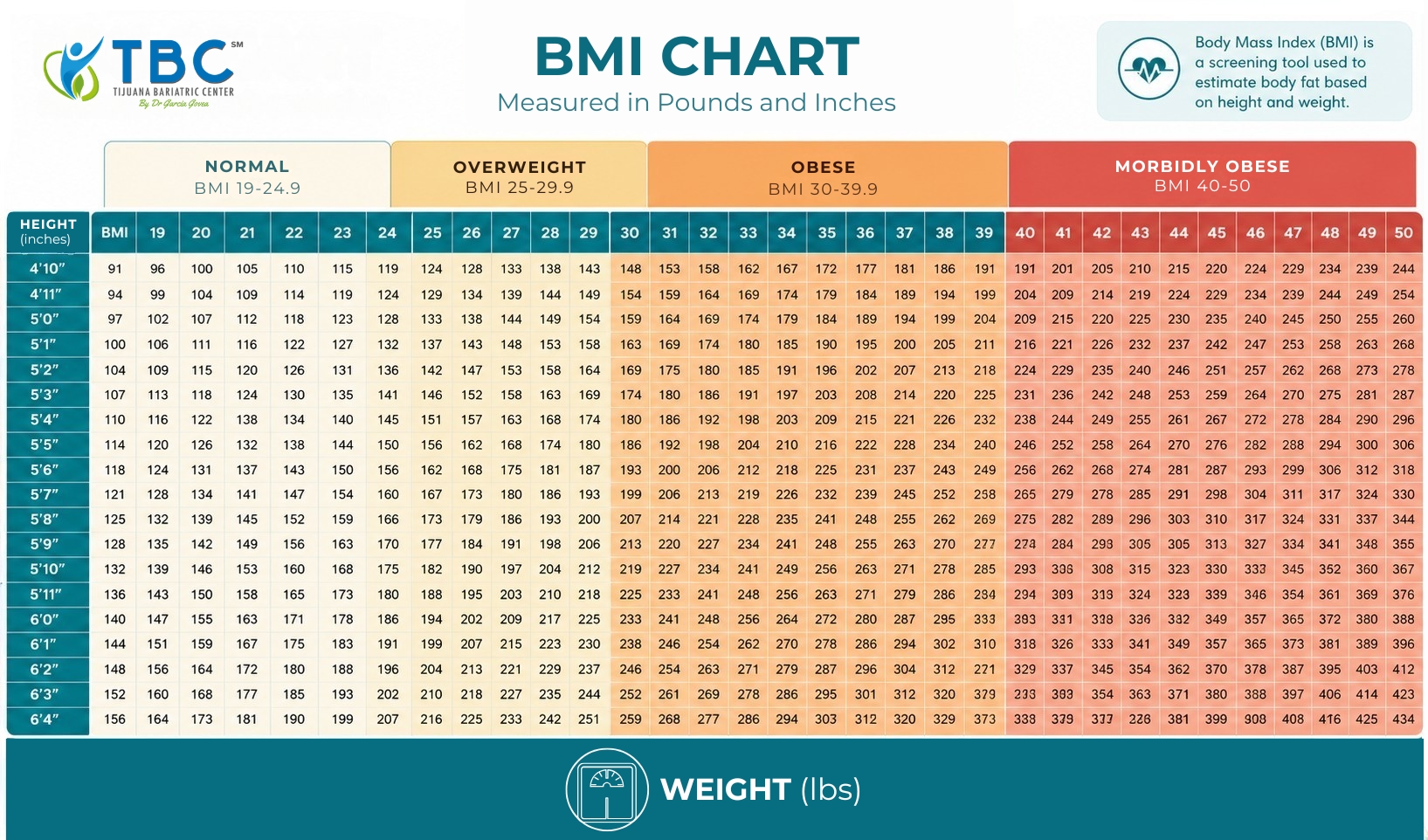
Morbid Obesity BMI Chart by Height and Weight

Use the chart below to compare your height and weight and find your estimated BMI category. The chart is intended as a general screening reference and does not replace a medical evaluation.

Morbid obesity BMI chart by height and weight in pounds and inches

View Full-Size BMI Chart

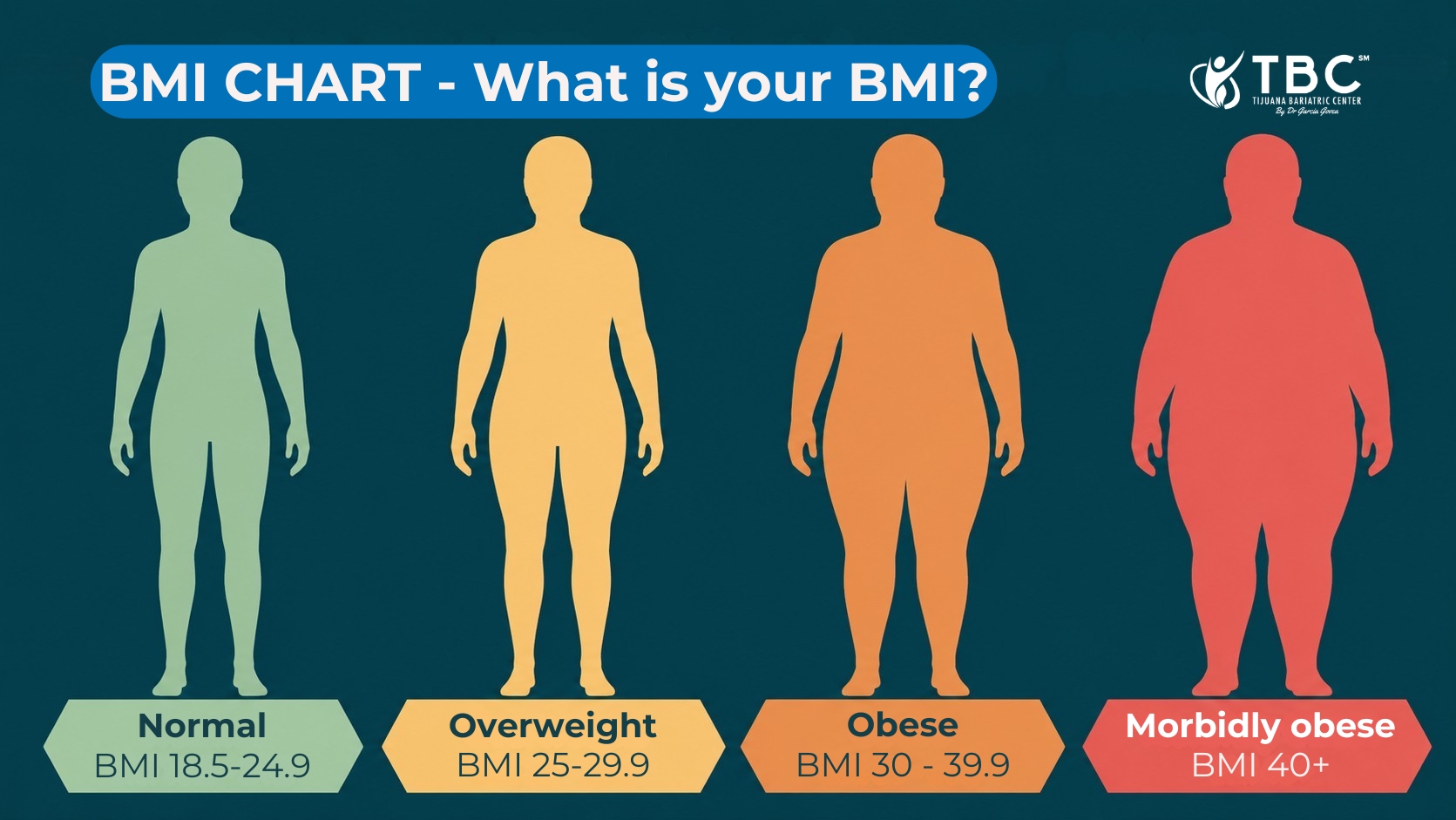
Adult BMI Categories

BMI Weight Category Obesity Class
Less than 18.5 Underweight
18.5 to 24.9 Normal - Healthy Weight
25 to 29.9 Overweight
30 to 34.9 Obese Class I
35 to 39.9 Severe Obese Class II
40 to 49.9 Morbidly Obese Class III
Over 50 Super Morbidly Obese Class IV
Over 60 Super-Super Morbidly Obese Class V

BMI categories are used as screening ranges. They do not directly measure body fat or determine a person’s overall health.

What Does “Morbidly Obese” Mean?

“Morbid obesity” is an older term commonly used to describe a BMI of 40 or higher. Today, many medical organizations and healthcare professionals use the term class 3 obesity instead.

A person may also be considered for bariatric treatment at a lower BMI when obesity-related conditions are present, including type 2 diabetes, high blood pressure, sleep apnea, or significant mobility limitations.

Is a BMI of 35 Considered Morbidly Obese?

A BMI between 35 and 39.9 is classified as obesity class 2. Although it is below the class 3 obesity range, it may still represent a serious health concern, especially when a person has obesity-related medical conditions.

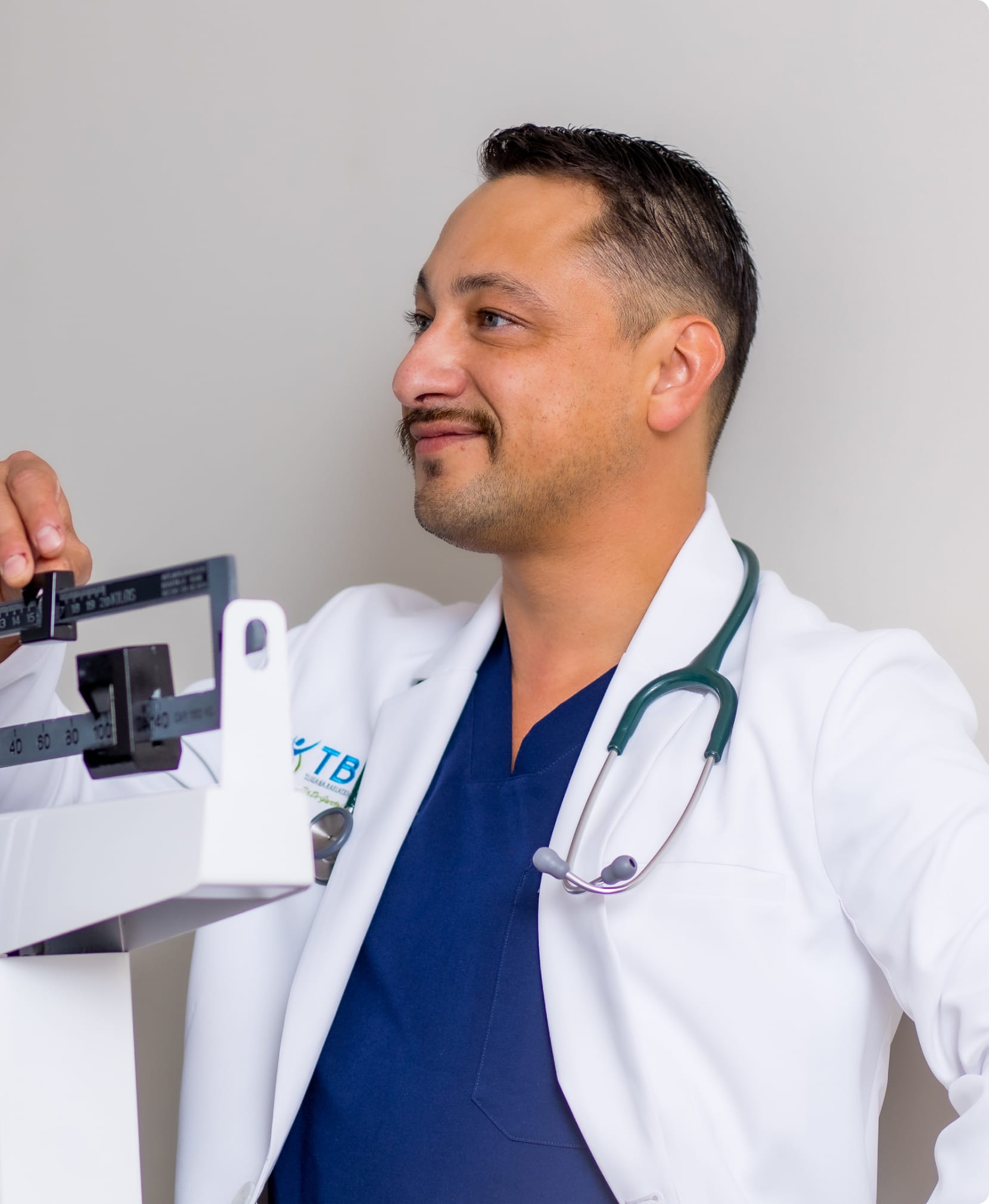
patient learning how BMI relates to overall health

Does BMI Tell the Whole Story?

BMI is a useful screening measurement, but it does not provide a complete picture of a person’s health.

  • BMI does not directly measure body fat.
  • It does not distinguish between muscle and fat.
  • It does not consider where body fat is distributed.
  • Age, medical history, mobility, and metabolic health also matter.
  • Two people with the same BMI may have different health risks.

A personalized medical evaluation can help determine how your weight may be affecting your health and whether medical or surgical treatment may be appropriate.

Tijuana Bariatric Center section background

Could I Be a Candidate for Bariatric Surgery?

Bariatric surgery may be considered for patients whose weight is affecting their health, mobility, or quality of life. Eligibility is determined through a personalized medical evaluation.

Possible factors include:

  • Your BMI and current weight
  • Obesity-related medical conditions
  • Previous attempts to lose weight
  • Your surgical and medical history
  • Current medications
  • Your ability to follow post-operative nutrition and lifestyle guidelines

Gastric Sleeve or Gastric Bypass: Which May Fit Your Needs?

Not every bariatric procedure works the same way. Your BMI, eating patterns, medical conditions, previous surgeries, and weight-loss goals may influence which option your medical team considers.

Answer a few questions to learn which procedure may be worth discussing with a bariatric surgeon.

Procedure Fit Quiz

Answer 10 simple questions and get an educational guide to discuss with TBC.

This quiz is designed to help you understand which bariatric procedure may be worth discussing with a TBC coordinator or bariatric surgeon. It looks at your goals, BMI range, health history, previous surgery, reflux, metabolic concerns, and biggest questions.

Important: This tool is for educational purposes only. It does not diagnose, prescribe, or replace a medical evaluation. Your final procedure recommendation must be reviewed with a qualified bariatric surgeon.
Question 1 of 10 0%
Start here

Loading question...

Your educational procedure fit guide

Your result

Why this may fit

    Options to discuss

      Ask your surgeon

        You do not have to figure this out alone

        A TBC coordinator can help you understand your procedure options, package details, pricing, travel logistics, and next steps.

        Call +1-800-970-0577

        Your quiz result is only the beginning

        The right procedure depends on your medical history, BMI, health goals, reflux symptoms, previous surgeries, and personal needs. A TBC coordinator can help you understand your next step and prepare the right questions for your surgeon.

        Talk to a TBC Coordinator

        Health Conditions Associated With Obesity

        Obesity may increase the risk of developing several medical conditions. The individual level of risk varies according to BMI, age, family history, lifestyle, and overall health.

        • Type 2 diabetes
        • High blood pressure
        • Sleep apnea
        • Heart disease
        • Joint and mobility problems
        • Fatty liver disease
        • Acid reflux
        • Certain reproductive and hormonal conditions

        Weight-related health concerns can affect energy, mobility, sleep, confidence, and daily activities. Medical weight management or bariatric treatment may help improve some obesity-related conditions, but results vary and medical evaluation is required.

        The goal of an evaluation is not only to review a BMI number. It is also to understand how weight may be affecting your health and which treatment path may be appropriate.

        Dr. Fernando Garcia bariatric surgeon in Tijuana
        Tijuana Bariatric Center treatment options background

        What Weight-Loss Options May Be Available?

        The most appropriate treatment depends on your BMI, medical history, previous weight-loss attempts, and personal health goals.

        Gastric Sleeve Surgery

        Gastric Bypass Surgery

        Mini Gastric Bypass

        SADI-S and Duodenal Switch

        Non-Surgical and Medication-Based Options

        View Bariatric Surgery Costs

        Meet Dr. Fernando Garcia

        View Before and After Results

        Talk to a Coordinator

        FAQs About Morbid Obesity and BMI

        What BMI is considered morbidly obese?

        A BMI of 40 or higher is classified as class 3 obesity, which has traditionally also been called morbid obesity. BMI is a screening tool and should be interpreted together with a person’s medical history and overall health.

        What is class 3 obesity?

        Class 3 obesity is the highest standard adult BMI category and begins at a BMI of 40. It may be associated with a greater risk of conditions such as type 2 diabetes, sleep apnea, high blood pressure, joint problems, and cardiovascular disease.

        Is a BMI of 35 considered severe obesity?

        A BMI between 35 and 39.9 is classified as obesity class 2. It may still represent a significant health concern, particularly when obesity-related medical conditions are present.

        How do I find my BMI using height and weight?

        You can use the BMI calculator on this page by entering your height and weight. You may also use the height-and-weight chart as a visual reference for your estimated BMI category.

        Is BMI always accurate?

        BMI is useful for screening, but it does not directly measure body fat or distinguish fat from muscle. A healthcare professional may consider additional factors such as body composition, health conditions, age, and medical history.

        Can I qualify for bariatric surgery with a BMI below 40?

        Some patients may qualify at a BMI below 40, particularly when they have obesity-related conditions such as type 2 diabetes, sleep apnea, high blood pressure, or significant mobility problems. Eligibility must be determined through a medical evaluation.

        What does a BMI over 50 mean?

        A BMI of 50 or higher falls within the class 3 obesity range and is sometimes described as severe or super obesity. Surgical planning and package requirements may vary for patients with a higher BMI, so an individual medical assessment is important.

        Which bariatric procedure is appropriate for a high BMI?

        The appropriate procedure depends on several factors, including BMI, metabolic health, previous surgeries, eating patterns, and medical history. A bariatric surgeon must evaluate the patient before recommending gastric sleeve, gastric bypass, SADI-S, duodenal switch, or another option.

        Take the Next Step Toward Better Health

        Your BMI is only one part of your health story. A personalized evaluation can help you understand your options and determine whether bariatric treatment may be appropriate for you.

        See If You Qualify Talk to a Coordinator

        Our coordinators can explain the process, package options, travel arrangements, and next steps without pressure.

        Medically reviewed by the Tijuana Bariatric Center bariatric care team.
        Updated: July 2026

        Contact us media
        Hi there, have a question? Text us here.