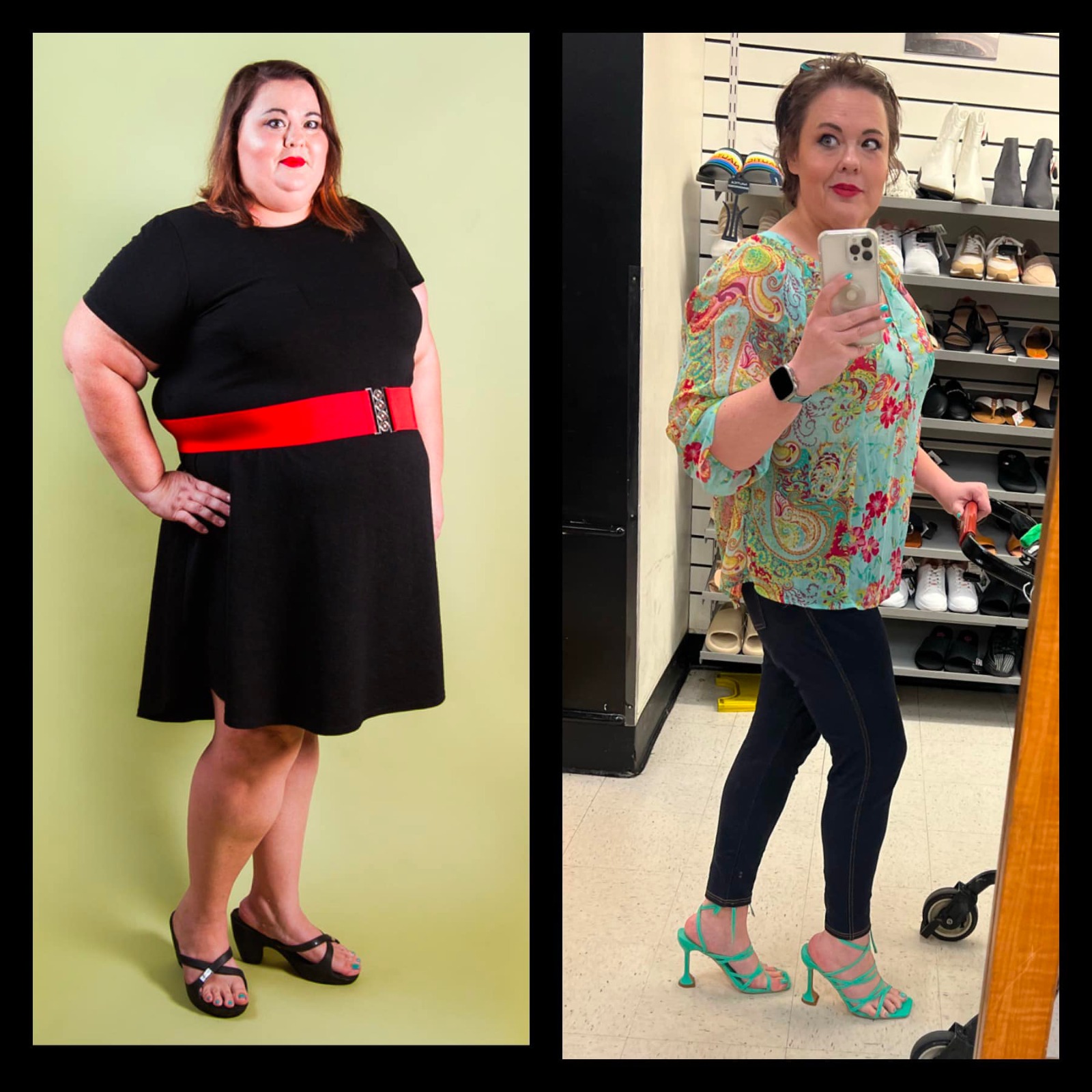
Before & Afters Bariatric Surgery
View Gallery

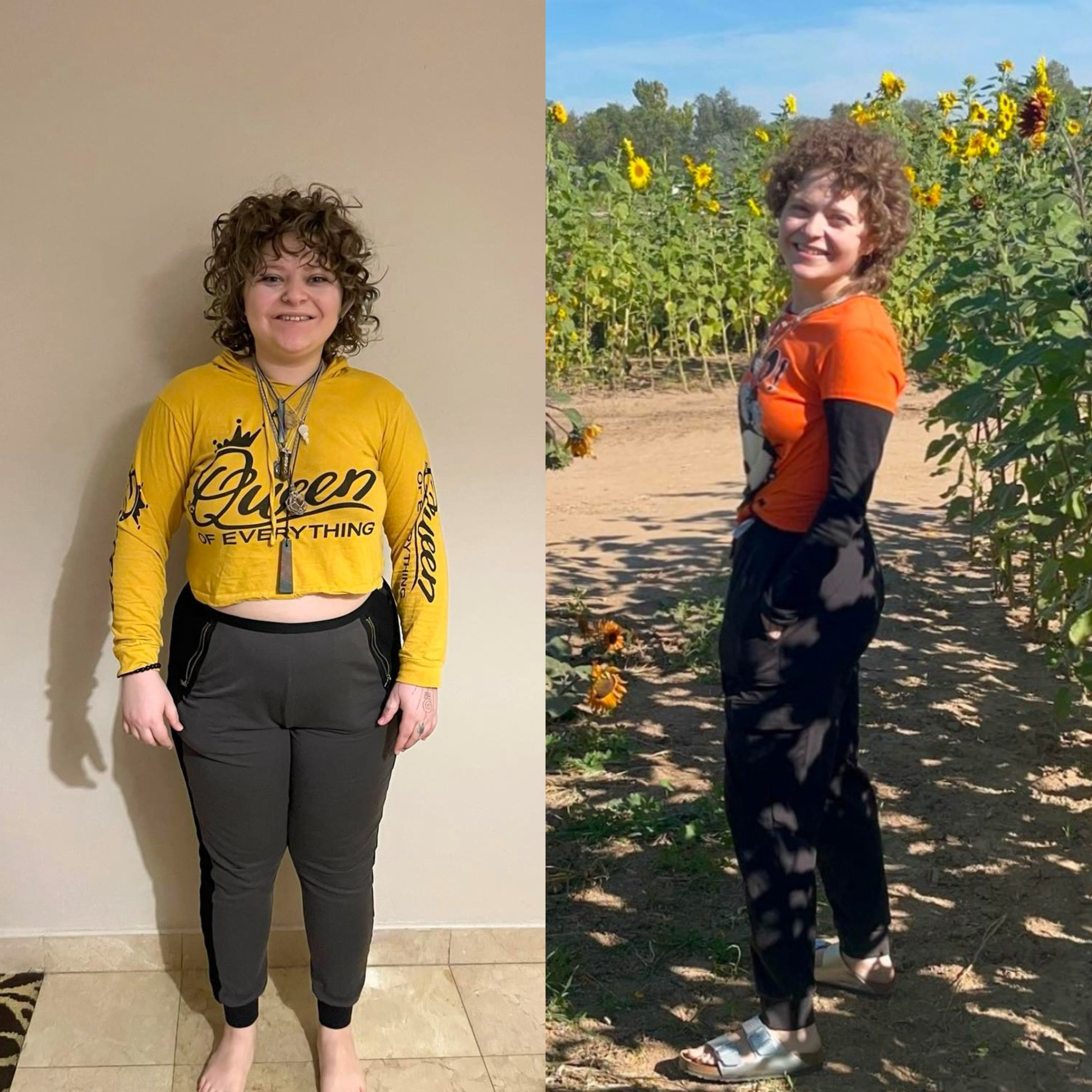
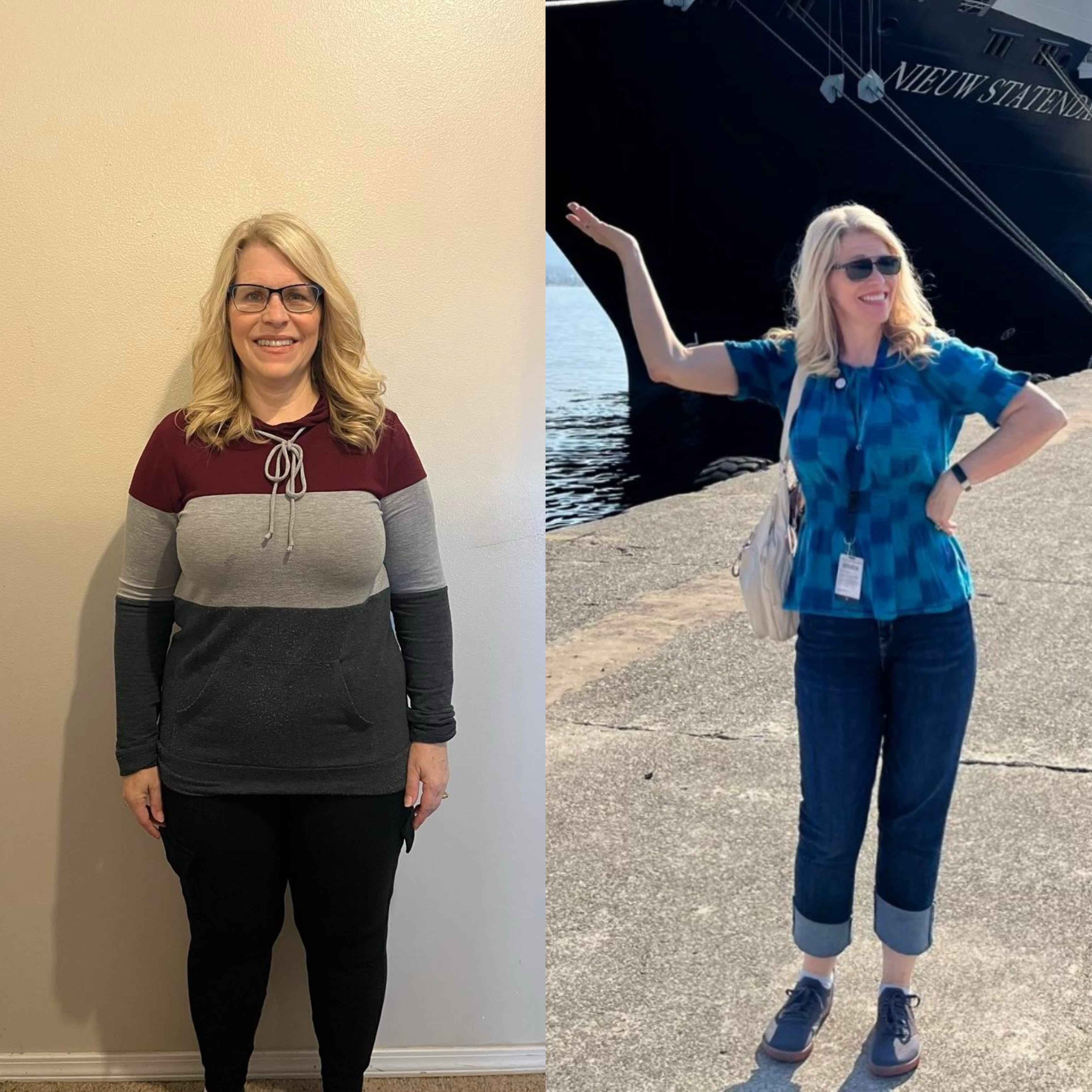


SADI-S and duodenal switch surgery in Tijuana are advanced bariatric procedures that change both stomach size and the digestive pathway. This helps patients eat less and absorb fewer calories.
Compared with gastric sleeve or gastric bypass, these procedures may offer stronger weight loss and better metabolic support for some patients. They may also help improve type 2 diabetes and other obesity-related conditions.
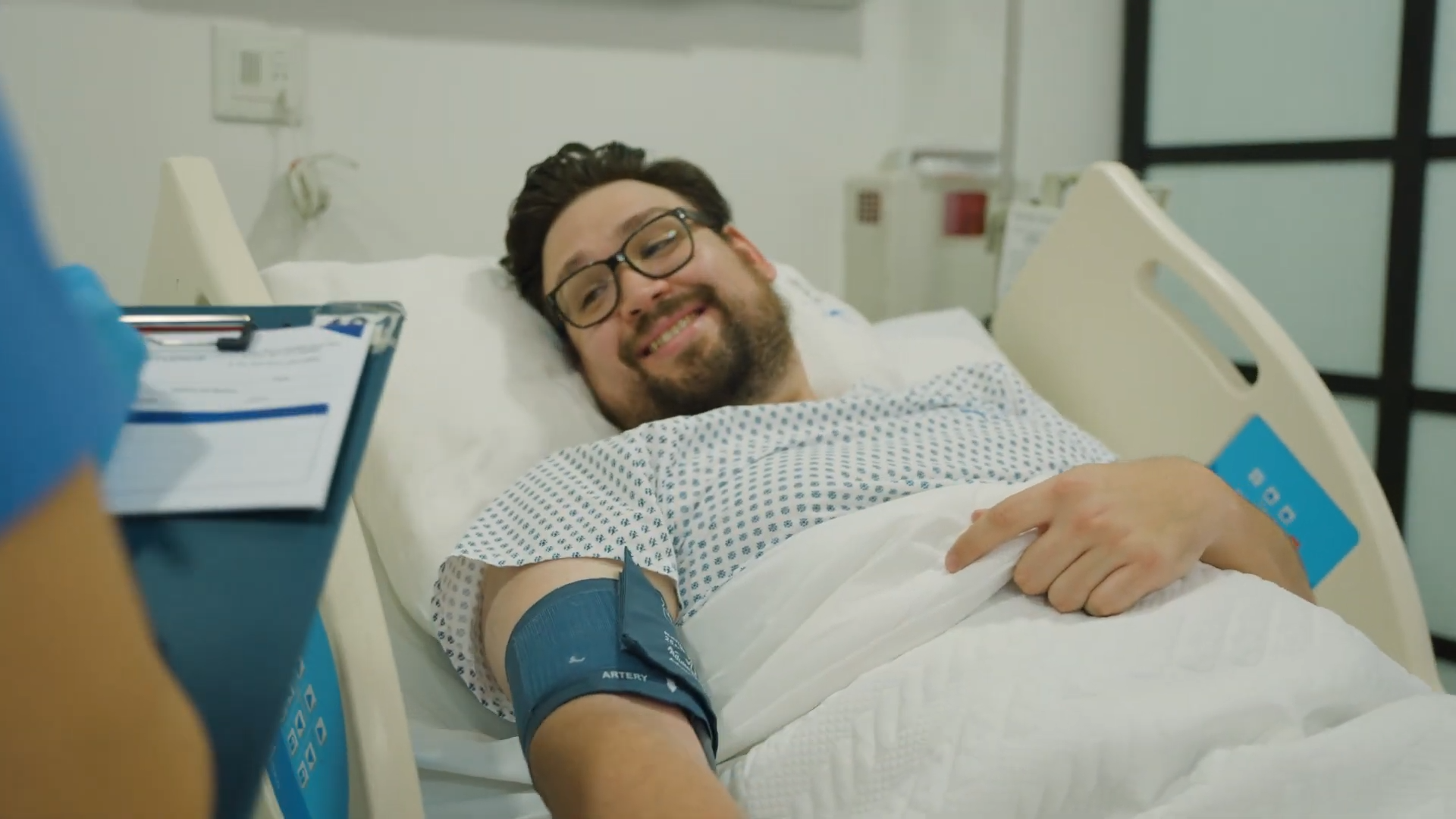


SADI-S surgery and duodenal switch surgery are advanced weight loss procedures for patients who may need stronger results than a standard gastric sleeve alone.
These procedures use both restriction and malabsorption. Restriction means the stomach holds less food. Malabsorption means the body absorbs fewer calories because part of the digestive pathway is changed.
For some patients, this approach may support major weight loss and help improve conditions such as type 2 diabetes, high blood pressure, high cholesterol, sleep apnea, and other metabolic concerns.
Select the procedures you are considering and answer a few questions about reflux, metabolic health, BMI, previous surgery, and your personal priorities.
Important: This comparison is educational only. It does not recommend, prescribe, approve, or rule out any procedure. Final options must be reviewed by a qualified bariatric surgeon after evaluating your complete health history.
You will compare two or three procedures side by side, then receive questions and considerations tailored to your answers.
Select at least two and no more than three options.
Selected: 0 of 3
Reflux history is an important point when comparing stomach-only and bypass-based procedures.
This answer helps personalize the metabolic considerations shown in your comparison.
An exact BMI is not required for this comparison. The medical team can verify it later.
Previous surgery changes how every future option must be evaluated.
Select the priority that is closest to what you want to understand.
Every bariatric procedure requires follow-up. Some options may require more intensive nutritional monitoring.
This helps the team understand how soon you may need a detailed comparison.
Your result will compare the procedures you selected and highlight questions to discuss with the TBC team.
Your answers will be sent to TBC so a coordinator can follow up with more personalized information.
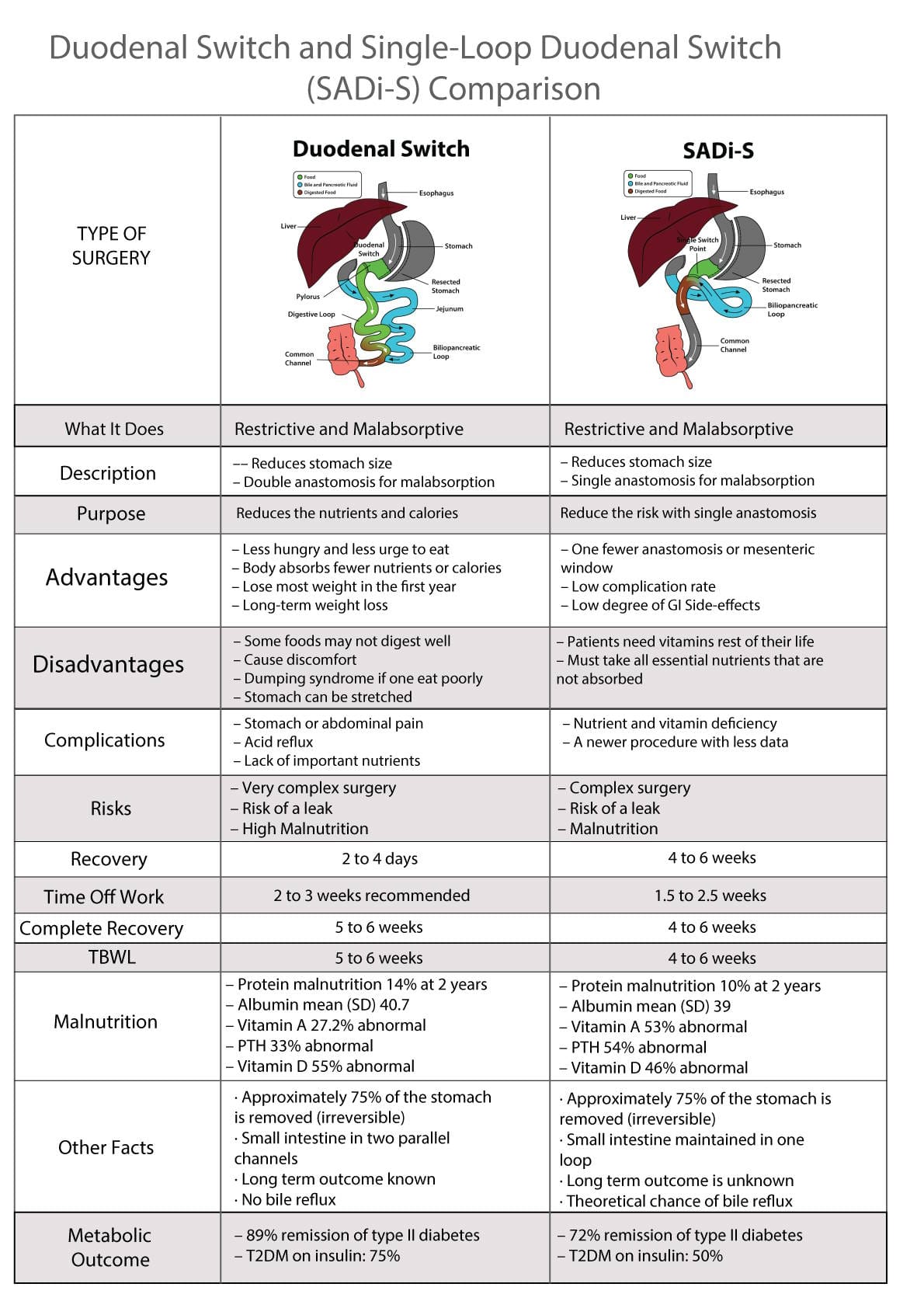
Review the differences below and use them to prepare questions for your coordinator or bariatric surgeon.
This table is an educational planning tool, not a medical recommendation. Procedure choice, recovery, benefits, risks, and long-term requirements vary by patient and must be confirmed by the bariatric surgeon.

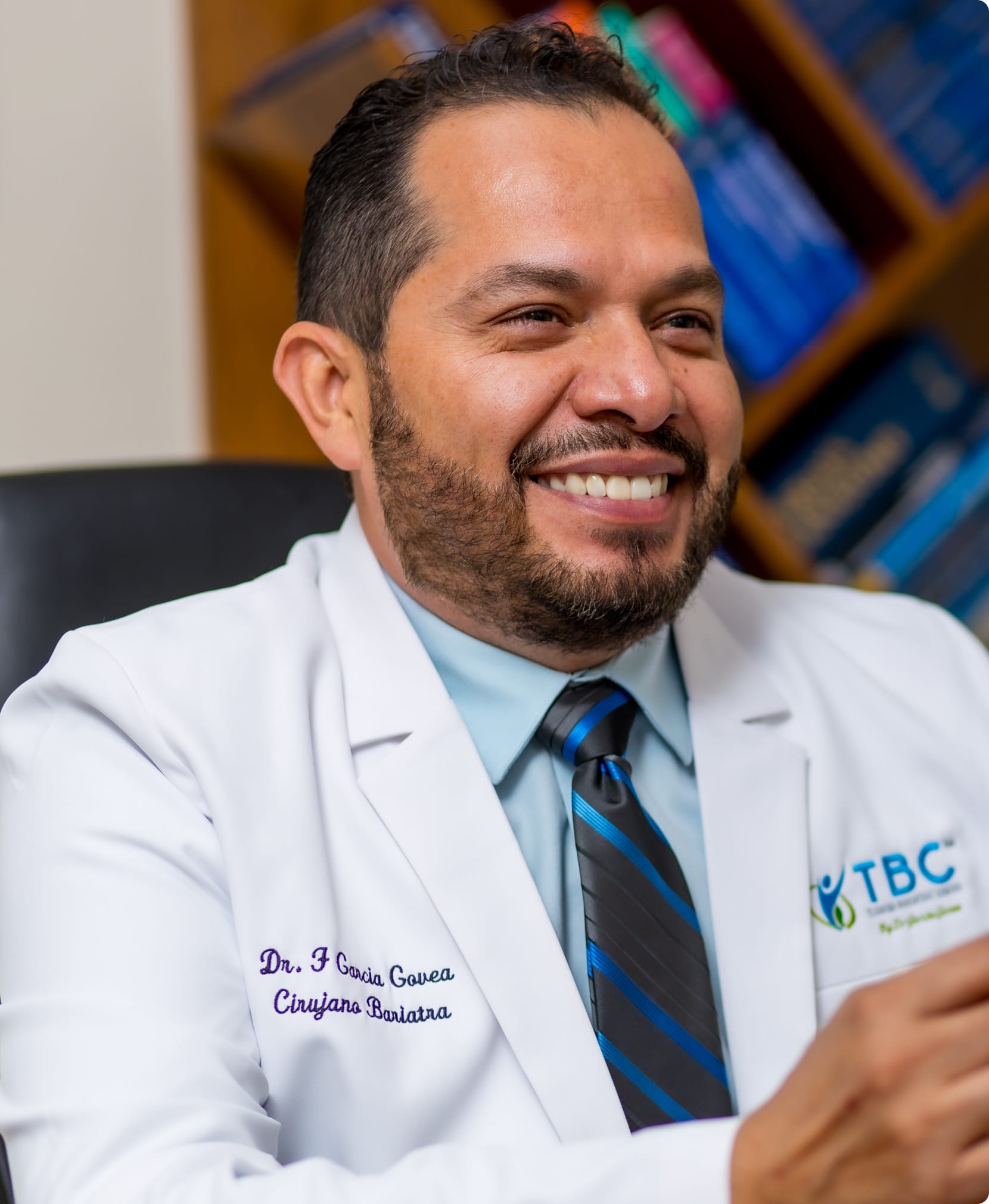

Dr. Garcia is a veteran bariatric surgeon who has performed over 15,000 successful procedures during his decade-plus career in medicine. Known for his skill, precision, and cutting-edge techniques, he is also often praised for his genuinely compassionate bedside manner and his unwavering dedication to his patients’ well-being and success.
As a provider who has himself transversed the weight loss journey, Dr. Garcia knows firsthand how frustrating and daunting the process can be. He has put great effort and time into creating a comprehensive weight loss program that goes far beyond surgery and incorporates ongoing support groups, nutritional counseling, and extensive email follow-up. Dr. Garcia believes that every patient is entitled to live their best life, free from health concerns and reduced self-esteem associated with obesity.
Dr. Fernando García obtained his Licensed Physician Degree from the prestigious Universidad Michoacana de San Nicolás de Hidalgo before going on to complete his residency in General Surgery at Hospital General (General Hospital), endorsed by Universidad Autónoma de Baja California (UABC). As a professor of Advanced Laparoscopic Surgery at Universidad Autonoma de Baja California, Dr. Garcia continues to educate generations to come with his innovative techniques. Additionally, he has been on staff at the Instituto Mexicano del Seguro Social for over a decade.
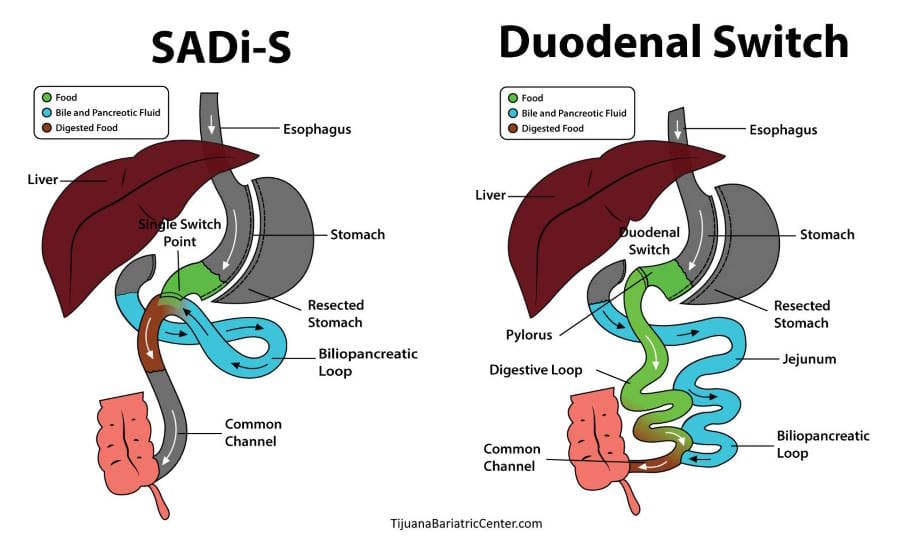
Both techniques are performed through laparoscopic surgery, but some weight loss patients may occasionally require open surgery for various reasons. This decision usually occurs during pre-op consultations. Surgeons can perform both operations in two stages, which is needed to help patients with the highest body mass index achieve sufficient excess weight loss to make the second part of the procedure safer.
The risk of malnutrition remains present with both bariatric procedures, although the single anastomosis duodeno ileal bypass procedure lessens that risk. Patients must follow strict vitamin and mineral supplementation for the rest of their lives.
The Y-shape connection in duodenal switch surgery prevents bile from getting into the
stomach, avoiding stomach discomfort and irritation. It also results in selective fat and nutrient absorption not present in SADI-S because of the multiple channels. The single ileal bypass with sleeve procedure (SIPS) has a reduced operating time of about 30 minutes and a reduced risk of post-surgical complications because of the single intestinal connection. SADI-s preserves approximately ten feet of absorption in the intestines instead of two to five feet associated with traditional duodenal switch surgery.
SADI-s and duodenal switch patients experience the following shared benefits:
As patients lose weight, they will realize a significant decrease or resolution of obesity-related diseases, including obstructive sleep apnea, joint pain, etc.

SADI-S may be a strong option for patients with a higher BMI, significant metabolic concerns, or a history of struggling with long-term weight loss through diet, exercise, or medication alone. It is often considered by patients who need more powerful weight-loss support than a standard sleeve and are also looking for stronger metabolic improvement.
This procedure may be especially relevant for patients living with obesity-related conditions such as type 2 diabetes, sleep apnea, hypertension, fatty liver disease, or hyperlipidemia. At Tijuana Bariatric Center, every patient is evaluated individually to determine whether SADI-S, duodenal switch, gastric bypass, or another bariatric procedure is the best fit for their health profile and long-term goals.
The first week after SADI-S is focused on healing, hydration, and gradual adjustment. Patients typically begin with a liquid diet, rest, light walking, and close follow-up instructions from the medical team. Mild discomfort, fatigue, and changes in appetite are common in the early recovery phase, but patients are guided step by step to help them recover safely and confidently.
As healing progresses, patients move through a structured nutrition plan and begin adapting to new habits that support long-term success. At Tijuana Bariatric Center, recovery does not stop at discharge. Ongoing education, nutrition guidance, and patient support help make the transition feel more manageable during the first days and beyond.
SADI-S surgery is an advanced bariatric procedure that combines sleeve gastrectomy with intestinal rerouting. It is designed to help patients lose weight and improve metabolic health.
SADI-S is a newer variation of duodenal switch surgery. It uses one intestinal connection instead of the more complex rerouting used in traditional duodenal switch surgery.
SADI-S may be a strong option for patients with a higher BMI, type 2 diabetes, insulin resistance, sleep apnea, hypertension, or other obesity-related health conditions.
Weight loss varies by patient. Results depend on starting BMI, health history, nutrition habits, physical activity, and long-term follow-up care.
Yes. Because SADI-S changes the digestive pathway, patients usually need long-term vitamin and mineral supplementation, plus follow-up testing to monitor nutrition levels.
Recovery varies, but the first week usually focuses on hydration, walking, rest, pain control, and starting a staged bariatric diet. Patients receive specific instructions from the medical team.

Following a SADI-s procedure, it's not uncommon for patients to contemplate additional treatments to further refine their new silhouette and address the nuances of their weight loss journey.
Body contouring options such as tummy tucks, arm lifts, and thigh lifts are increasingly popular for remedying the sagging skin that can accompany dramatic weight loss. Given the impact of weight fluctuations on the chest, treatments like breast lift, breast augmentation, or breast reduction can be pivotal in restoring balance and proportion.
For those grappling with a pronounced skin apron over the groin area, a panniculectomy becomes a go-to solution. Moreover, as the face mirrors weight changes, procedures like facelifts, neck lifts, or blepharoplasty can be invaluable in regaining a refreshed and youthful visage. To further hone the body's contours, liposuction can target those lingering, stubborn fat pockets.
Should there be concerns or unsatisfactory results with the initial SADI-s, bariatric revision surgeries might be on the table. Beyond the realm of surgeries, the importance of nutritional and psychological counseling can't be stressed enough, ensuring sustained weight management and emotional well-being.
As always, before taking any next steps, engaging in insightful consultations with both bariatric and plastic surgery specialists is the key to tailored, optimal post-SADI-s care.