Ozempic vs weight loss surgery, discover the path to a healthier and more confident you
Have you considered Ozempic (semaglutide) versus bariatric surgery as pathways to significant weight loss? Many people report encouraging outcomes with Ozempic, while others know someone whose life was transformed by procedures like the gastric sleeve or gastric bypass.
The essential question is: which option best aligns with your goals, timeline, and lifestyle?
The truth is, weight loss is about more than just aesthetics, it’s about reclaiming your health, confidence, and overall well-being. Because every journey is unique, choosing the right approach can mean the difference between a short-lived change and sustained, long-term results.
In this article, we’ll break down how both options work, the trade-offs to consider, and what it takes for long-term success, empowering you to make an informed choice.
How Does Ozempic (Semaglutide) Work?
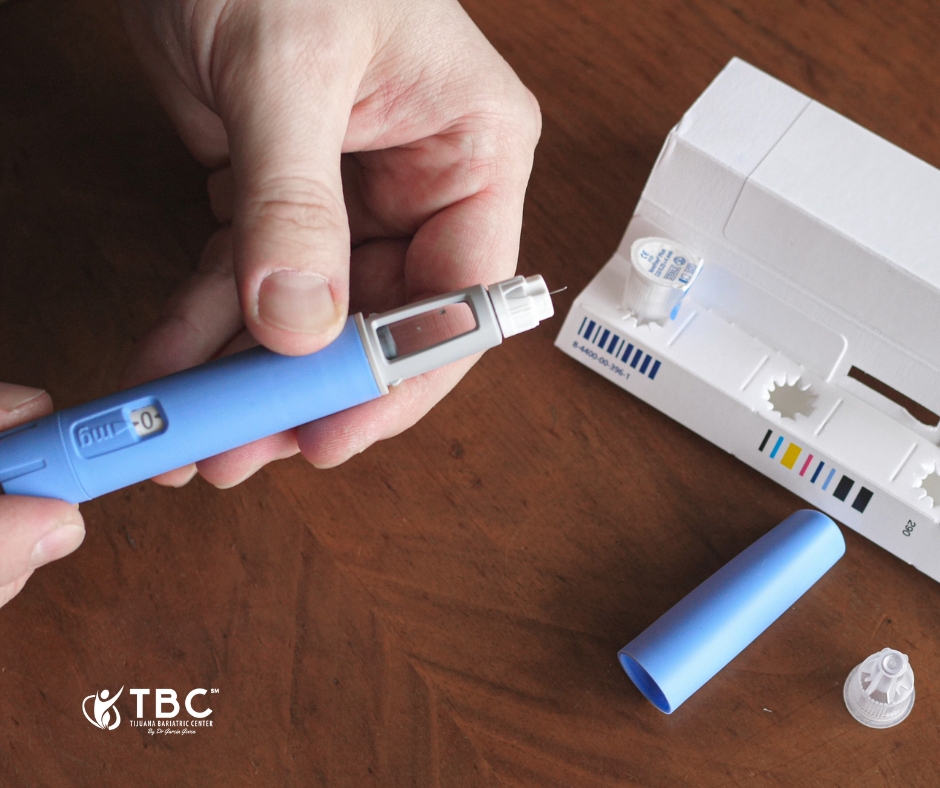
Ozempic (semaglutide) has become exceedingly popular because it belongs to a family of medications known as GLP-1. This medication “mimics” a natural hormone in the body that helps control appetite, regulate blood sugar, and delay gastric emptying, making you feel fuller for longer.
What results can you expect?
While it may sound like a simple solution, the results can be more limited than many people expect. According to recent data, semaglutide use achieves an average weight loss of 4.7% of total body weight after two years (or about 12 pounds). In other words, it can be a helpful tool for weight loss, but it may not deliver the profound transformation you’re looking for.
Outcomes with GLP-1 medication vary by dose, adherence, and lifestyle support. Many patients experience meaningful appetite control and weight reduction. However, weight regain is common once the medication is discontinued. Long-term maintenance often requires indefinite use of the medication or a comprehensive plan that includes nutrition, activity, and behavioral changes. GLP-1 therapy can also serve as a "bridge" therapy before bariatric surgery or as a post-operative tool when clinically appropriate
Bariatric Surgery in Tijuana - much more than just reducing sizes.
When we talk about weight-loss surgery including gastric sleeve and gastric bypass; it’s not just about reducing the size of your stomach. These procedures go much further, transforming the body from the inside out, achieving changes that medications like Ozempic can hardly match.
Depending on the type of bariatric surgery, the benefits include:
- Gastric Restriction: You eat less and feel full much faster.
- Hormonal Changes: Your body’s hormones are rebalanced to reduce hunger signals and improve blood sugar control.
- Reduced Calorie Absorption: Procedures like gastric bypass, SADI-S, and the duodenal switch also limit the calories your body absorbs, further enhancing weight loss.
A recent study, presented in June 2025, reported that patients who underwent bariatric surgery lost an average of 24% of their body weight at two years (≈ 58 lb), compared with ≈4.7% (≈ 12 lb) among those treated with semaglutide.
What stands out is not only the magnitude of weight loss, but the additional health benefits associated with bariatric surgery:
- Remission or significant improvement of type 2 diabetes
- Reduced risk of hypertension, sleep apnea, and cardiovascular disease
- Improved quality of life and a longer life expectancy.
Ozempic vs. Weight-Loss Surgery: Which Option Is More Sustainable Long-Term?
One of the biggest challenges of losing weight is keeping it off. This is where the most significant difference between Ozempic and bariatric surgery comes into sharp focus.
Ozempic: While taking the medication, you can expect appetite control and moderate weight loss. When treatment stops, however, appetite typically returns, and studies show that patients often regain much of the weight they lost within a few months. This means that maintaining results often requires indefinite use of the medication, a commitment that can be both costly and draining over time.
Bariatric Surgery: On the other hand, bariatric surgery offers a sustainable obesity treatment because it physically alters how your body manages weight. Your metabolism adapts, hormonal signals driving excessive hunger are reduced, and with proper medical and nutritional support, you are empowered to maintain a healthier lifestyle for good. Approximately 70–80% of patients maintain significant, long-term weight loss. Bariatric surgery doesn’t just change your body it changes your future.
Ozempic vs. Weight-Loss Surgery. Safety and Potential Risks
When comparing Ozempic vs weight loss surgery, it’s natural to wonder: how safe is each treatment? The answer depends on your health and appropriate medical support.
Ozempic (GLP-1 Therapy): Generally considered safe for many patients under medical supervision. The most common side effects are gastrointestinal (nausea, vomiting, constipation, or diarrhea), particularly as the dose is increased. Clinicians titrate the dosage gradually to improve tolerance. Since long-term use is often necessary for maintenance, ongoing access and cost are important factors.
Weight-Loss Surgery: When performed by board-certified surgeons in accredited centers with standardized care pathways, surgery has a favorable safety profile and low complication rates. As with any operation, risks exist (e.g., bleeding, infection, anesthesia-related events), but they are uncommon in experienced hands. Long-term success requires structured follow-up, a staged diet progression, and lifelong micronutrient supplementation.
What is the ideal patient profile for each option?
Ozempic: It is generally recommended for patients who are mildly or moderately overweight, or for people with type 2 diabetes who need to control both their blood sugar and appetite. It can be a useful tool for those seeking temporary support who do not wish to undergo surgery.
Weight-loss surgery: This is indicated for individuals with a BMI of 35 or higher, as well as for those with a BMI between 30 and 34.9 who are also facing serious obesity-related health conditions like type 2 diabetes, hypertension, or sleep apnea.
The Economic Factor - An Investment in Your Health
Cost is another key point when comparing Ozempic vs weight loss surgery.
Ozempic: As a chronic medication, the expense accumulates month after month. In the long term, it can represent a considerable sum, especially if you need it for years to maintain your weight. Furthermore, it is not always covered by health insurance, which makes it even more expensive.
Bariatric Surgery: While the initial investment is higher, bariatric surgery is often more cost-effective in the long run. Not only are the results lasting, but it also helps reduce or eliminate spending on medications for obesity-related diseases. It’s an affordable investment in your long-term health that pays dividends for years to come.
Choose the transformation that best suits you.
Ultimately, the choice between Ozempic vs weight loss surgery depends on your goals, your health status, and your long-term expectations. If you are looking for a profound and lasting change that will have a positive impact on your quality of life, bariatric surgery is emerging as a sustainable obesity treatment with superior results and additional health benefits.
The good news is you don’t have to take this journey alone. At Tijuana Bariatric Center, you will find Dr. Fernando Garcia Govea, one of the best board-certified bariatric surgeons with a proven track record of more than 10,000 successful weight loss procedures. If you are ready to take the next step toward a healthier, more fulfilling life, now is the time to discover if you are a candidate. Your transformation can start today! Contact us or see if you qualify by submitting this health history form