Mini gastric bypass and traditional Roux-en-Y gastric bypass are two bariatric procedures that may support significant weight loss. Both reduce the amount of food the stomach can hold and change part of the digestive pathway, but they use different surgical designs.
The right option depends on factors such as your BMI, health conditions, reflux symptoms, previous surgeries, weight loss goals, and medical history. A personalized bariatric evaluation is necessary before choosing either procedure.
Mini or Traditional Gastric Bypass: What Is the Difference?
The main difference is how the stomach and small intestine are connected. Traditional gastric bypass uses a Roux-en-Y configuration with two intestinal connections. Mini gastric bypass, also called one-anastomosis gastric bypass, uses one intestinal connection.
Both procedures are designed to help patients feel satisfied with smaller portions and change how food moves through the digestive system. However, their risks, benefits, recovery considerations, and long-term nutritional requirements may differ.
What Is Traditional Gastric Bypass Surgery?
Traditional gastric bypass is commonly known as Roux-en-Y gastric bypass. During this procedure, the surgeon creates a small stomach pouch and connects it to a section of the small intestine.
How Traditional Gastric Bypass Works
The procedure changes the digestive pathway through the following steps:
- A small pouch is created from the upper portion of the stomach.
- The small intestine is divided and connected to the new stomach pouch.
- A second intestinal connection allows digestive fluids to mix with food farther down the digestive tract.
- The smaller stomach pouch helps limit portion sizes.
- The intestinal rerouting changes how calories and nutrients are absorbed.
Who May Be Considered for Traditional Gastric Bypass?
Traditional gastric bypass may be considered for patients who need substantial weight loss or additional metabolic support. It may also be discussed for certain patients with obesity-related conditions or significant acid reflux.
Candidacy is not determined by BMI alone. The medical team may also review:
- Current weight and BMI
- Diabetes, high blood pressure, or sleep apnea
- Acid reflux or GERD symptoms
- Previous abdominal or bariatric procedures
- Current medications
- Eating patterns and lifestyle
- Ability to follow nutritional and vitamin guidelines
Learn more about traditional gastric bypass surgery in Tijuana.
What Is Mini Gastric Bypass Surgery?
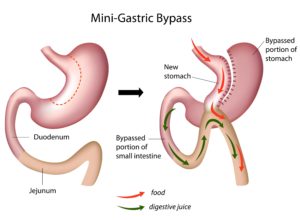
Mini gastric bypass is a variation of gastric bypass that is also known as one-anastomosis gastric bypass. The procedure creates a long, narrow stomach pouch and connects it to a loop of the small intestine.
How Mini Gastric Bypass Works
The basic steps generally include:
- Creating a smaller, narrow stomach pouch
- Bypassing part of the upper small intestine
- Connecting the stomach pouch to the intestine with one surgical connection
- Reducing the amount of food the stomach can hold
- Changing calorie and nutrient absorption
Potential Benefits and Considerations
Because mini gastric bypass uses one intestinal connection, the procedure may be less complex than traditional Roux-en-Y gastric bypass. It may also provide meaningful weight loss and metabolic benefits for appropriately selected patients.
However, a simpler surgical design does not automatically make it the best option for every patient. The medical team must consider reflux, nutritional requirements, previous surgery history, digestive anatomy, and other health factors.
Both procedures require long-term follow-up, healthy eating habits, appropriate protein intake, vitamin supplementation, and regular medical monitoring. Results and recovery vary from patient to patient.
Who May Be Considered for Mini Gastric Bypass?
Many patients who may qualify for traditional gastric bypass may also be evaluated for mini gastric bypass. The final recommendation depends on the patient’s medical history, current anatomy, weight loss needs, and individual risk factors.
Learn more about mini gastric bypass surgery in Tijuana.

Key Differences Between Mini and Traditional Gastric Bypass
Surgical Connections
Traditional Roux-en-Y gastric bypass uses two intestinal connections. Mini gastric bypass uses one intestinal connection.
Stomach Pouch Design
Traditional gastric bypass generally creates a small upper stomach pouch. Mini gastric bypass commonly creates a longer, narrow pouch.
Procedure Complexity
Mini gastric bypass may involve a simpler intestinal reconstruction. Traditional gastric bypass uses a Roux-en-Y configuration with an additional intestinal connection.
Reflux and Digestive Considerations
A patient’s reflux history, digestive anatomy, and previous procedures can influence which option may be considered. These factors should be reviewed carefully by an experienced bariatric surgeon.
Nutrition and Long-Term Follow-Up
Both procedures change the digestive system and require lifelong attention to nutrition, vitamins, laboratory testing, hydration, protein intake, and follow-up care.
Which Gastric Bypass Procedure May Be Right for Me?
There is no single procedure that is right for every patient. A surgeon may consider traditional gastric bypass, mini gastric bypass, gastric sleeve, SADI-S, or another option after reviewing your complete medical information.
Your evaluation may include:
- BMI and weight loss goals
- Diabetes and other metabolic conditions
- Acid reflux or GERD
- Previous bariatric surgery
- Current eating habits
- Medication use
- Previous abdominal procedures
- Ability to follow long-term nutritional care
The purpose of the evaluation is not simply to choose the shortest procedure. It is to identify an option that may offer an appropriate balance of safety, benefits, risks, and long-term support for your individual needs.