Why the Gastric Sleeve Diet Matters
Choosing weight loss surgery is a major step, and following a gastric sleeve pre-op diet is an important part of preparing for surgery. The foods and liquids you consume before the procedure can help prepare your body, while the stages of the post-op gastric sleeve diet support healing and help you adjust to your new stomach.
At Tijuana Bariatric Center, patients are guided through a structured plan before and after gastric sleeve surgery. This diet is not meant to be temporary. It is part of a larger transition toward healthier long-term habits, improved recovery, and better weight loss outcomes.
How the Diet Changes Before and After Gastric Sleeve Surgery
The gastric sleeve diet is designed to support both safety and recovery.
Before bariatric surgery, the goal is often to improve nutritional balance, reduce calorie intake, lower carbohydrate intake, and help shrink the liver. This can make surgery safer and give the surgeon better access during the procedure.
After weight loss surgery, the goal changes. The diet becomes focused on healing, hydration, protein intake, portion control, and gradually helping the digestive system adjust to its new structure.
Many patients researching the gastric sleeve diet want to know the same things:
- What should I eat before surgery?
- What can I drink right after surgery?
- When can I eat soft foods again?
- What foods should I avoid after gastric sleeve surgery?
- How can I protect my results long term?
This guide is meant to answer those questions more clearly.
Compare Bariatric Procedures Based on What Matters to You
Select the procedures you are considering and answer a few questions about reflux, metabolic health, BMI, previous surgery, and your personal priorities.
Important: This comparison is educational only. It does not recommend, prescribe, approve, or rule out any procedure. Final options must be reviewed by a qualified bariatric surgeon after evaluating your complete health history.
Build Your Personalized Comparison
You will compare two or three procedures side by side, then receive questions and considerations tailored to your answers.
Which procedures would you like to compare?
Select at least two and no more than three options.
Selected: 0 of 3
How would you describe your reflux or GERD?
Reflux history is an important point when comparing stomach-only and bypass-based procedures.
Do you have diabetes or metabolic concerns?
This answer helps personalize the metabolic considerations shown in your comparison.
What is your current BMI range?
An exact BMI is not required for this comparison. The medical team can verify it later.
Have you had a previous bariatric procedure?
Previous surgery changes how every future option must be evaluated.
What matters most in your comparison?
Select the priority that is closest to what you want to understand.
How do you feel about long-term vitamins and medical follow-up?
Every bariatric procedure requires follow-up. Some options may require more intensive nutritional monitoring.
When are you considering a procedure?
This helps the team understand how soon you may need a detailed comparison.
Enter Your Information to View the Full Table
Your result will compare the procedures you selected and highlight questions to discuss with the TBC team.
Compare your options with clear guidance
Your answers will be sent to TBC so a coordinator can follow up with more personalized information.
Your procedure comparison is ready
Review the differences below and use them to prepare questions for your coordinator or bariatric surgeon.
What your answers make especially important to discuss
This table is an educational planning tool, not a medical recommendation. Procedure choice, recovery, benefits, risks, and long-term requirements vary by patient and must be confirmed by the bariatric surgeon.
Gastric Sleeve Pre-Op Diet Before Surgery
The Purpose of the Pre-Op Diet
The pre-op gastric sleeve diet is not just about losing weight before surgery. It is also meant to help prepare the body physically for the procedure itself.
One of the main goals is to reduce fat around the liver. In patients with obesity, the liver may be enlarged, which can make surgery more difficult. A pre-op diet may help make the procedure safer and more manageable.
A structured pre-op diet may also help patients begin adjusting to the eating habits they will need after surgery, such as:
- eating less sugar,
- reducing high-calorie foods,
- increasing protein,
- drinking more water,
- and separating fluids from meals.
General Pre-Op Goals
In many cases, the pre-op diet focuses on:
- reducing calorie intake,
- increasing lean protein,
- reducing carbohydrates,
- drinking enough water,
- avoiding alcohol,
- and stopping tobacco use.
Hydration is especially important. Many bariatric programs recommend about 64 ounces of fluid per day unless otherwise directed by the surgeon or medical team.
Two Weeks Before Gastric Sleeve Surgery
During the weeks leading up to surgery, the diet is often high in protein and low in sugar and fat. The exact structure may vary depending on the patient’s BMI (Body Mass Index) and medical history, but the general purpose is to help the body prepare for surgery.
A typical phase may include:
- protein shakes for breakfast and lunch,
- lean protein for dinner,
- non-starchy vegetables,
- low-calorie fluids,
- and limited carbohydrates.
Many patients also begin avoiding:
- soda and/or carbonated drinks,
- alcohol,
- sugary drinks,
- desserts,
- fried foods,
- and large portions.
This stage can feel restrictive, but it plays an important role in surgical preparation.
Two Days Before Gastric Sleeve Surgery
In the final days before surgery, patients are often moved to a clear liquid plan. This may include:
- water,
- broth,
- sugar-free gelatin,
- sugar-free popsicles,
- electrolyte drinks approved by the medical team,
- and sometimes a protein shake if instructed.
At this stage, the goal is not just compliance. It is also to avoid interfering with the surgical plan. Eating outside the instructions may increase the risk of complications or even affect whether surgery can proceed safely.
Day Before Surgery
The day before surgery is usually very strict. Most patients are instructed to consume clear liquids only and to stop eating and drinking entirely within the time frame given by their surgeon or anesthesiology team.
It is important to follow these directions exactly.
Gastric Sleeve Diet After Surgery
The post-op gastric sleeve diet is typically introduced in stages. These stages are meant to protect healing tissue, reduce discomfort, and help the patient safely return to a more regular bariatric eating pattern over time.
Week 1: Clear Liquids
The first week after surgery is usually focused on clear liquids only.
This stage helps:
- prevent dehydration,
- reduce stress on the new stomach,
- lower the risk of nausea,
- and support early healing.
Patients are often encouraged to sip slowly throughout the day and avoid drinking too much at once.
Common clear liquids may include:
- water,
- broth,
- sugar-free gelatin,
- sugar-free popsicles,
- and approved electrolyte beverages.
Many patients are also told to avoid:
- sugary drinks,
- caffeine,
- carbonation,
- and drinking too quickly.
Week 2: Full Liquids and Very Soft Foods
During the second week, many patients begin adding more protein-focused liquids and very soft foods, depending on their surgeon’s instructions.
This may include:
- protein shakes,
- non-fat yogurt,
- thin soups,
- sugar-free pudding,
- thinned applesauce,
- and other approved soft or pureed foods.
This stage is important because protein becomes a bigger priority. Patients are usually trying to increase protein intake while still keeping foods easy to digest.
Week 3: Pureed and Soft Foods
By the third week, many patients begin eating more soft and pureed foods. The goal is still to go slowly and pay close attention to how the body responds.
Foods commonly introduced in this phase may include:
- scrambled or soft eggs,
- low-fat cottage cheese,
- canned tuna,
- Greek yogurt,
- soft cooked cereals,
- mashed avocado,
- bananas,
- and soft cooked vegetables.
Patients should still focus on:
- eating slowly,
- chewing thoroughly,
- prioritizing protein,
- and avoiding foods that feel difficult to tolerate.
Week 4 and Beyond: Soft Solids and Gradual Expansion
As healing continues, patients usually begin adding more soft solid foods. At this stage, the gastric sleeve diet begins to feel more like a long-term eating plan rather than a temporary recovery stage.
Foods often introduced gradually may include:
- lean ground chicken or turkey,
- soft fish,
- beans and lentils,
- soft cheeses,
- mashed potatoes or sweet potatoes,
- and well-cooked vegetables.
Even when more foods are added, the key principles still matter:
- prioritize protein,
- chew thoroughly,
- eat slowly,
- and stop when full.
Long-Term Gastric Sleeve Diet Recommendations
Over time, the gastric sleeve diet becomes less about short recovery phases and more about building habits that support long-term weight loss and health.
Long-term success often depends on staying consistent with habits such as:
- eating smaller meals,
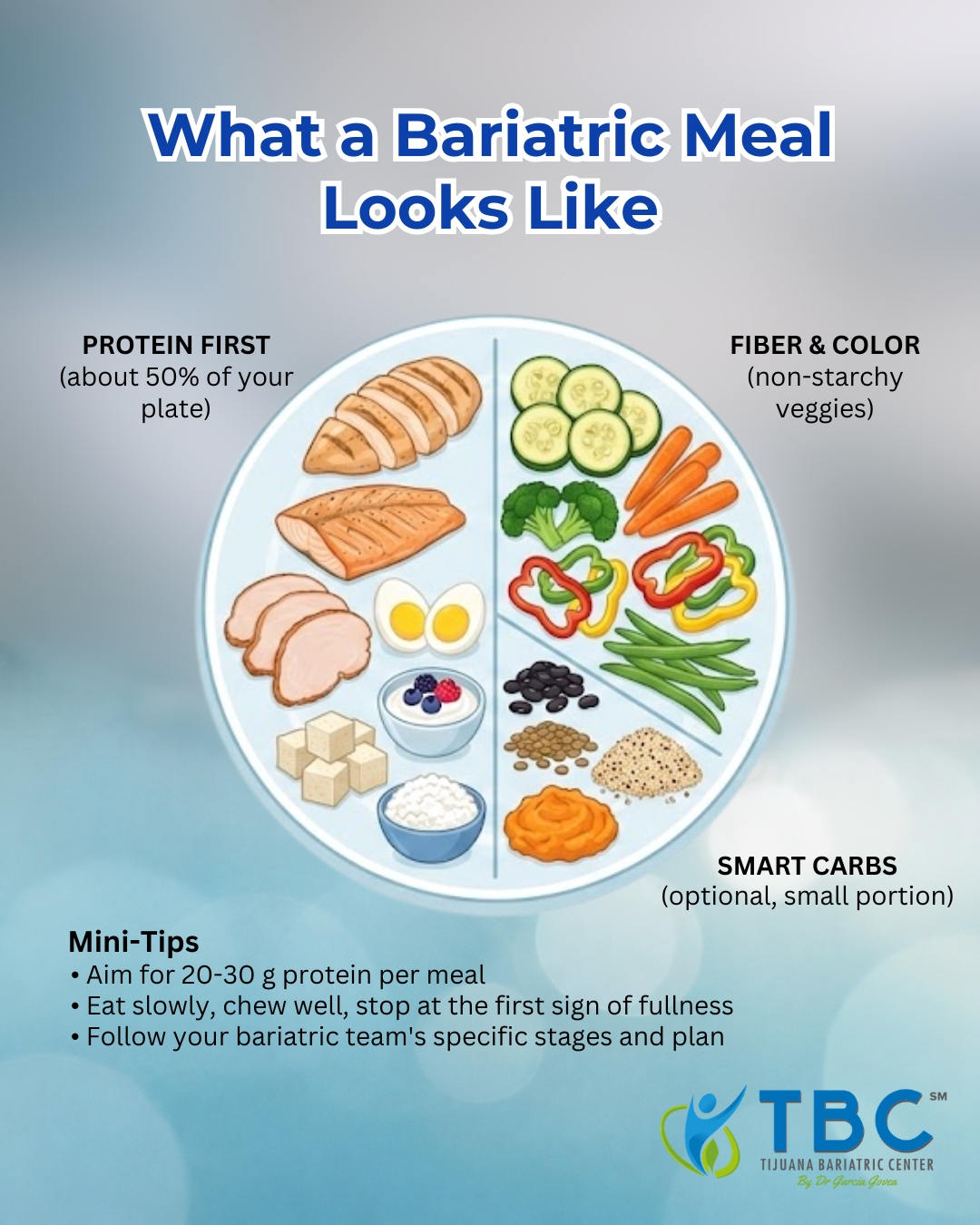
- focusing on protein first,
- avoiding liquid calories,
- staying hydrated between meals,
- taking supplements as recommended,
- and following regular medical follow-up.
Patients are also usually encouraged to continue building healthy habits after bariatric surgery so that surgery works as part of a sustainable lifestyle, not as a stand-alone solution.
Foods to Avoid After Gastric Sleeve Surgery
Tolerance can vary from patient to patient, but many people are advised to be cautious with foods such as:
- soda and carbonated drinks,
- alcohol,
- candy and sweets,
- chips and highly processed snacks,
- tough meats,
- sticky rice,
- bread and pasta early on,
- fried foods,
- and high-fat or high-sugar meals.
Some dairy products may also cause bloating or discomfort for certain patients.
The best approach is usually to add foods slowly, one at a time, and observe how the body reacts.
Hydration After Gastric Sleeve Surgery
Hydration is one of the most important parts of recovery after gastric sleeve surgery.
Because patients cannot drink large amounts at once, hydration usually needs to happen through small, frequent sips throughout the day. Drinking too little may increase the risk of:
- fatigue,
- headaches,
- dizziness,
- constipation,
- and poor recovery.
Patients are often reminded not to drink with meals and to separate fluids from food by about 30 minutes, depending on their provider’s instructions.
Protein After Gastric Sleeve Surgery
Protein is a major priority after gastric sleeve surgery because it supports healing, muscle preservation, satiety, and recovery.
In the early stages, protein often comes from:
- shakes,
- yogurt,
- soft eggs,
- cottage cheese,
- or pureed protein foods.
As the diet expands, protein continues to be the foundation of most meals.
Common Mistakes to Avoid
Many patients do well when they understand not only what to eat, but also what mistakes can slow recovery or make symptoms worse.
Common mistakes may include:
- drinking too fast,
- eating before the stomach is ready,
- not meeting hydration goals,
- prioritizing carbs over protein,
- returning too quickly to sweets or snack foods,
- and not following follow-up instructions.
Final Thoughts on the Gastric Sleeve Diet Before and After Surgery
The gastric sleeve diet before and after bariatric surgery plays a major role in both recovery and long-term success. Before surgery, it helps prepare the body and improve safety. After surgery, it supports healing, helps the stomach adjust, and guides patients toward new habits that support lasting weight loss.
For many bariatric patients, one of the biggest mindset shifts is understanding that the diet is not just a short-term rule list. It is part of the transition into a different way of eating and living.
If you are researching whether you may be a candidate, reviewing who may qualify for bariatric surgery or using the BMI calculator may be a helpful next step. If you want more guidance about the gastric sleeve procedure or your options, you can request more information from Tijuana Bariatric Center.
FAQs About the Gastric Sleeve Diet
Why do I need a pre-op gastric sleeve diet?
The pre-op diet may help reduce liver size, improve surgical safety, and begin preparing the body for the eating changes required after surgery.
What can I drink during the first week after gastric sleeve surgery?
Most patients are limited to approved clear liquids in the first week, such as water, broth, and other sugar-free clear options recommended by their provider.
When can I eat soft foods after gastric sleeve surgery?
Many patients begin soft or pureed foods after the clear liquid stage, but the exact timing should follow the surgeon’s instructions.
Why is protein so important after gastric sleeve surgery?
Protein supports healing, helps protect muscle mass, and becomes one of the most important nutritional priorities after surgery.
Can I drink soda after gastric sleeve surgery?
Patients are usually told to avoid carbonated drinks because they may cause discomfort, bloating, and unnecessary calorie intake.
How much water should I drink after gastric sleeve surgery?
Many patients are encouraged to work toward about 64 ounces of fluids daily, but they should always follow the specific guidance of their medical team.
What foods should I avoid after gastric sleeve surgery?
Sugary foods, carbonated drinks, alcohol, fried foods, tough meats, and heavily processed snacks are often discouraged, especially in the early stages.