Gastric Sleeve vs Gastric Bypass Recovery and Lifestyle
If you already understand the basic differences between gastric sleeve and gastric bypass, the next question may be: how does daily life compare after each procedure?
Both surgeries require a structured recovery plan, gradual dietary changes, hydration, protein, vitamin supplementation, physical activity, and long-term medical follow-up. However, gastric bypass reroutes part of the small intestine, while gastric sleeve does not. This difference can affect nutrition monitoring, digestive symptoms, reflux, and some long-term eating considerations.
For a general comparison of how the procedures work, who may qualify, and which factors may influence the decision, visit our complete gastric sleeve vs gastric bypass comparison and procedure quiz.
Quick Answer: How Does Recovery Compare?
Recovery after gastric sleeve and gastric bypass has many similarities. Patients typically begin with liquids, progress gradually to soft foods, and eventually return to small portions of solid food according to their bariatric team’s instructions.
The main long-term difference is that gastric bypass changes both stomach size and part of the digestive pathway. Because of this, bypass patients may require closer monitoring of vitamin and mineral levels. Gastric sleeve does not reroute the intestines, but some patients may experience new or worsening acid reflux.
- Early recovery: both procedures require rest, walking, hydration, incision care, and gradual activity.
- Diet progression: both generally move from liquids to soft foods and then small portions of solid food.
- Vitamin care: both require lifelong supplementation, but gastric bypass may need closer nutritional monitoring.
- Reflux: gastric sleeve may worsen reflux in some patients, while gastric bypass may improve reflux symptoms.
- Dumping syndrome: this is more commonly associated with gastric bypass, particularly after foods or drinks high in sugar.
- Individual recovery: the timeline depends on health history, procedure, surgical complexity, work demands, and medical instructions.
Patients commonly begin with liquids and gradually progress to soft and solid foods. Early walking is encouraged, while supplements and ongoing follow-up are important after both procedures.
Gastric Sleeve vs Gastric Bypass Recovery at a Glance
| Factor | Gastric Sleeve | Gastric Bypass |
|---|---|---|
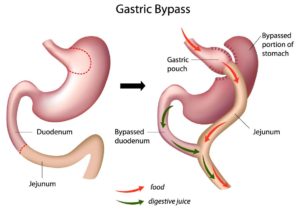
| Digestive pathway | Stomach size is reduced without intestinal rerouting | A small stomach pouch is created and part of the small intestine is bypassed |
| Early diet | Gradual progression from liquids to soft and solid foods | Gradual progression from liquids to soft and solid foods |
| Hydration and protein | Important throughout recovery | Important throughout recovery |
| Vitamins | Lifelong supplementation and periodic lab monitoring | Lifelong supplementation, often with closer attention to nutrient levels |
| Reflux | May develop or worsen in some patients | May improve reflux in some patients |
| Dumping syndrome | Less commonly associated with the procedure | More commonly associated with sugary or rapidly consumed foods |
| Long-term follow-up | Nutrition, activity, labs, and bariatric follow-up | Nutrition, activity, labs, and bariatric follow-up |
The specific recovery program and supplement plan should always come from the patient’s medical and nutrition team. ASMBS notes that lifelong vitamin and mineral supplementation and periodic bloodwork are important after bariatric surgery.
What to Expect During the First Days After Surgery
The first part of recovery focuses on hydration, pain control, walking, breathing exercises, incision care, and monitoring for possible complications.
Patients are usually encouraged to begin walking soon after surgery. Movement may support circulation and recovery, but activity should increase gradually and follow the instructions provided by the surgical team.
During this period, patients should pay attention to the post-operative guidance they receive regarding:
- Hydration
- Approved liquids
- Protein intake
- Medications
- Incision care
- Walking
- Warning signs
- Follow-up appointments
Recovery experiences vary. A patient should contact the medical team for worsening pain, repeated vomiting, fever, breathing problems, unusual drainage, inability to drink, or other symptoms identified in the post-operative instructions.
Walking and gradual activity are commonly recommended after bariatric surgery, while the pace and type of activity should be determined by the healthcare team.
Diet After Gastric Sleeve vs Gastric Bypass
The early diet stages are generally similar after gastric sleeve and gastric bypass. Patients usually start with liquids and gradually advance to pureed or soft foods before returning to small portions of solid food.
The timing of each stage depends on the bariatric program and the patient’s progress. Patients should not advance their diet early without approval.
Common long-term eating habits include:
- Eating small portions
- Taking small bites
- Chewing food thoroughly
- Eating slowly
- Prioritizing protein
- Drinking enough approved fluids
- Avoiding drinking too quickly
- Limiting foods high in sugar
- Following individual food-tolerance guidance
After gastric bypass, foods high in sugar may trigger dumping syndrome in some patients. Symptoms can include nausea, abdominal discomfort, weakness, sweating, diarrhea, or a rapid heartbeat. Patients should discuss recurrent symptoms with their bariatric team.
NIDDK and ASMBS describe a gradual transition from liquids to soft foods and then solid foods, with continued attention to hydration, protein and small portions.
Vitamins and Nutritional Monitoring
Both gastric sleeve and gastric bypass patients need vitamin and mineral supplementation after surgery. The exact products and dosages should be based on the procedure, laboratory results, medical history, and recommendations from the bariatric care team.
Commonly monitored nutrients may include:
- Iron
- Vitamin B12
- Calcium
- Vitamin D
- Folate
- Thiamine
- Other vitamins or minerals based on the procedure and laboratory findings
Gastric bypass changes part of the digestive pathway, so some nutrients may be absorbed less efficiently. This makes consistent supplementation and follow-up blood testing especially important.
Gastric sleeve patients also need lifelong supplements and monitoring. The absence of intestinal rerouting does not eliminate the risk of nutritional deficiencies, particularly when protein intake, food variety, supplements, or follow-up are inadequate.
ASMBS states that bariatric patients need lifelong vitamin and mineral supplementation. It also notes that laboratory monitoring helps detect and prevent deficiencies.
Reflux After Gastric Sleeve or Gastric Bypass
Acid reflux is an important factor when comparing recovery and long-term digestive comfort.
Some patients develop new or worsening reflux after gastric sleeve surgery. Patients with significant reflux before surgery should discuss this history with the bariatric surgeon when evaluating procedure options.
Roux-en-Y gastric bypass may improve reflux symptoms in many patients. However, the best procedure still depends on the complete medical picture, including anatomy, previous surgery, BMI, eating patterns, diabetes, medications, and nutritional needs.
ASMBS identifies improvement in reflux as a potential benefit of Roux-en-Y gastric bypass and notes that gastric bypass is technically more complex than sleeve gastrectomy.
Returning to Work, Exercise and Daily Activities
There is no single recovery timeline that applies to every patient. Returning to work depends on:
- The type of procedure
- The patient’s general health
- The physical demands of the job
- Pain and energy levels
- Surgical complexity
- Travel requirements
- The medical team’s clearance
A person with a desk-based job may have different needs than someone whose work involves lifting, prolonged standing, driving, or physically demanding activity.
Walking usually begins early, while strenuous exercise, abdominal training, heavy lifting, swimming, and other activities should wait until the surgical team provides clearance.
Patients traveling for bariatric surgery should also follow instructions about flights, hydration, walking, medications, compression garments when prescribed, and warning signs during the return trip.
Long-Term Lifestyle After Bariatric Surgery
Neither gastric sleeve nor gastric bypass works independently of long-term habits. Surgery provides a medical tool, but patients still need an ongoing plan for nutrition, activity, supplements, medical monitoring, and emotional support.
Long-term success may be supported by:
- Attending follow-up appointments
- Completing recommended laboratory tests
- Taking vitamins consistently
- Prioritizing protein and hydration
- Maintaining regular physical activity
- Addressing emotional or stress-related eating
- Avoiding tobacco
- Limiting foods and drinks that cause symptoms
- Staying connected with bariatric support resources
ASMBS describes life after bariatric surgery as a long-term lifestyle combining healthy eating, physical activity and regular healthcare visits.
Compare the Procedures and Take the Quiz
Recovery and lifestyle are important, but they are not the only factors that determine which procedure may be appropriate.
BMI, reflux, type 2 diabetes, previous abdominal surgery, medications, nutritional history, and weight loss goals can all influence the medical recommendation.
Use our complete gastric sleeve vs gastric bypass comparison to:
- Review how each surgery works
- Compare potential benefits and considerations
- Explore procedure candidacy
- Take the gastric sleeve vs gastric bypass quiz
- Learn which questions to ask the bariatric team

Answer 10 simple questions and get an educational guide to discuss with TBC.
This quiz is designed to help you understand which bariatric procedure may be worth discussing with a TBC coordinator or bariatric surgeon. It looks at your goals, BMI range, health history, previous surgery, reflux, metabolic concerns, and biggest questions.
No pressure. Just clear information to help you prepare for a personalized medical evaluation.
FAQs About Gastric Sleeve vs Gastric Bypass Recovery
Is gastric sleeve recovery faster than gastric bypass recovery?
Gastric sleeve does not reroute the intestines and is generally considered less technically complex than gastric bypass. However, this does not guarantee a faster recovery for every patient. Recovery depends on health history, surgical complexity, pain control, activity, nutrition, and the medical team’s instructions.
Is the post-operative diet the same after sleeve and bypass?
The early diet stages are generally similar. Patients commonly begin with liquids, progress to pureed or soft foods, and later return to small portions of solid food. The timing and specific food plan should be provided by the bariatric team.
Which procedure requires more vitamins?
Both gastric sleeve and gastric bypass require lifelong vitamin and mineral supplementation. Gastric bypass may require closer nutritional monitoring because it reroutes part of the small intestine and can affect nutrient absorption.
Can gastric sleeve cause acid reflux?
Some patients develop new or worsening reflux after gastric sleeve surgery. A history of significant reflux should be discussed with the bariatric surgeon before choosing a procedure.
Does gastric bypass cause dumping syndrome?
Dumping syndrome is more commonly associated with gastric bypass and may occur after eating or drinking foods high in sugar or consuming certain foods too quickly. Symptoms should be discussed with the medical team.
When can I return to work after gastric sleeve or gastric bypass?
Return-to-work timing depends on the procedure, personal recovery, job demands, travel, and the surgical team’s clearance. Patients with physically demanding jobs may require more time than patients with desk-based work.
Do sleeve and bypass patients need lifelong follow-up?
Yes. Both procedures require long-term attention to nutrition, supplements, physical activity, laboratory monitoring, and bariatric follow-up.